
Solar panels in Mackay
Mackay is sugar country on the edge of the wet tropics, with a long, dry, sunny season and a summer wet that brings cloud, storms and the occasional cyclone. The Clean Energy Regulator's postcode data on this page covers the city and its suburbs from the harbour and East Mackay across to Andergrove, Beaconsfield and Glenella, the Northern Beaches from Bucasia to Shoal Point, and Walkerston and the Pioneer Valley to the west.
Clean Energy Regulator small-scale installation data across 3 postcodes in the Mackay region, to October 2026. Averages include some business systems.
60 seconds. Free. No installer calls until you choose a time.
Where the installs are going
The Northern Beaches are where the growth has been: Rural View, Blacks Beach, Bucasia and Shoal Point have filled with new homes over the last decade, most of them with big Colorbond roofs and three-phase supply. Older Mackay, around West Mackay and North Mackay, has a lot of high-set homes from the sixties and seventies that have been adding solar steadily as the bills have climbed.
Roofs and homes in Mackay
Mackay is in a cyclone region, so mounting systems must be certified for it and installers must be able to show the engineering. Most roofs are corrugated iron or Colorbond, which is ideal. The wet season is the design consideration people forget: from December to March the sky is often overcast for days, so a system sized only on the dry-season average will under-deliver when the air conditioning is working hardest. Humidity is hard on inverters, and a good installer will put yours somewhere ventilated and out of the weather rather than on a west-facing wall.
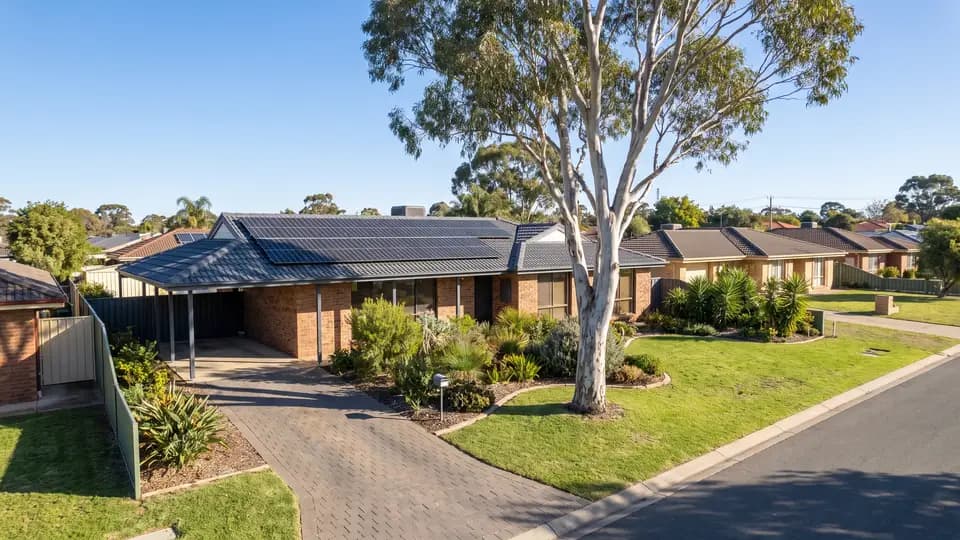
The network: Ergon Energy
Ergon Energy runs the network. Single-phase homes are usually limited to a 5 kW export, three-phase homes can go larger, and bigger systems need a connection application. Mackay's mining and industrial workforce means a lot of households run high daytime loads on shift patterns, which suits solar well. A battery here covers the evening air conditioning and the storm-season outages that come with the territory. Three-phase supply is common in the newer estates and makes a larger system and a battery straightforward; older homes on single phase should ask about an upgrade before choosing the biggest array.
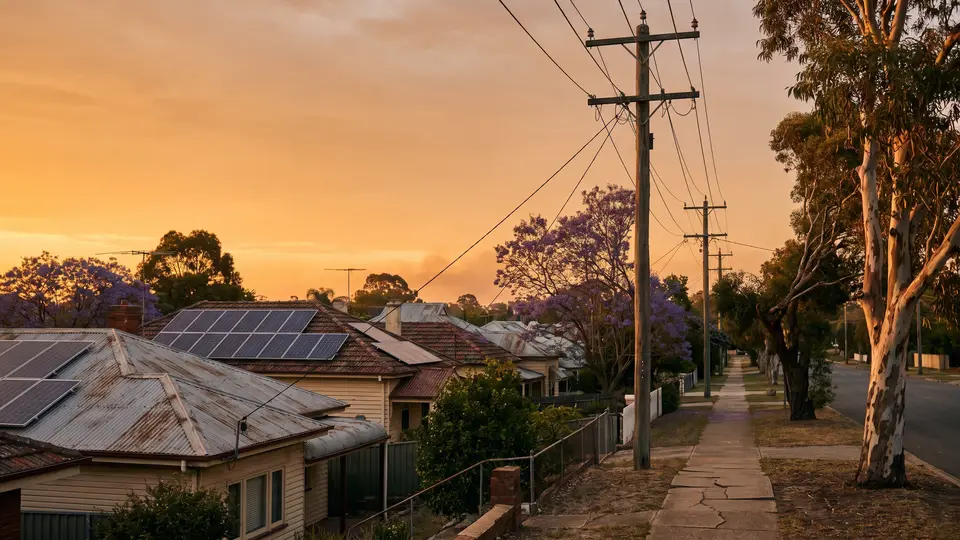
What a system generates in Mackay
Mackay averages 5.4 peak sun hours a day and sits in STC Zone 3. A peak sun hour is an hour of sunlight at full strength, so the figure is what a panel collects once the weaker morning and evening light is added up. On that average, this is what the two most common system sizes produce on a north-facing roof with no shade.
| System | Average day | Year |
|---|---|---|
| 6.6 kW | 30.3 kWh | 11,057 kWh |
| 10 kW | 45.9 kWh | 16,754 kWh |
Worked as system size times 5.4 peak sun hours times 85%, the allowance our suburb pages make for inverter, heat and wiring losses, over 365 average days. Summer days produce well above the average and winter days well below it, and an east or west-facing array produces less than a north-facing one.
Across the eight capitals, the same 6.6 kW system makes from about 7,576 kWh a year in Hobart to about 11,262 kWh in Darwin. In Mackay it makes about 8% more than it would in Brisbane. More sun means more output from the same panels, but it does not change the STC rebate within a zone: that is set by the zone, the system size and the year you install.
Rebates and feed-in tariffs in Mackay
- Federal
- Up to $8,000+ in solar and battery rebates in STC Zone 3. See how we calculate this.
- Queensland
- no state add-on.
- Feed-in tariff
- The best single-rate plan we can find in Queensland pays 12.0c per kWh (Origin Energy). Compare QLD feed-in tariffs.
How much solar panels cost in Mackay
These are the installed prices our solar panel cost guide works on, with the federal STC rebate for Mackay taken off. The rebate comes off the quote at the point of sale, so the last column is what you actually pay. In STC Zone 3 it is worth $1,710 on a 6.6 kW system and $2,622 on a 10 kW one.
5 kW
- Installed price
- $4,500 to $6,500
- STC rebate, Zone 3
- $1,292
- You pay after the STC
- $3,208 to $5,208
6.6 kW
- Installed price
- $5,500 to $8,000
- STC rebate, Zone 3
- $1,710
- You pay after the STC
- $3,790 to $6,290
10 kW
- Installed price
- $8,000 to $12,000
- STC rebate, Zone 3
- $2,622
- You pay after the STC
- $5,378 to $9,378
13 kW
- Installed price
- $10,000 to $15,000
- STC rebate, Zone 3
- $3,382
- You pay after the STC
- $6,618 to $11,618
Prices are the national ranges from our solar panel cost guide. Installed prices are before any rebate. The STC rebate is the certificates each system creates in Zone 3 over the 2026 deeming period of 5 years, at $38 a certificate. The deeming period shortens by a year every 1 January, so the same system earns less rebate each year you wait.
The average system installed across Mackay in the 12 months to October 2026 was 11.5 kW, between the 10 kW and 13 kW rows, although that average includes some business systems. Size yours on your own bills and roof, but it is a fair check on what your neighbours are putting up.
What moves a quote up or down: the panel and inverter brands, a second storey or a steep or tiled roof, and switchboard or meter work. The full breakdown is in our solar panel cost guide.
Payback in Mackay
Payback is the after-rebate price divided by what the system saves each year. The saving comes from two places: the power you use yourself, which you no longer buy at around 30.0c per kWh, and the power you export, which earns the feed-in tariff.
6.6 kW
- Yearly generation
- 11,057 kWh
- Yearly saving
- $1,924
- You pay after the STC
- $3,790 to $6,290
- Simple payback
- 2 to 3.3 years
10 kW
- Yearly generation
- 16,754 kWh
- Yearly saving
- $2,915
- You pay after the STC
- $5,378 to $9,378
- Simple payback
- 1.8 to 3.2 years
Assumes 30% of the solar is used in the home at 30.0c per kWh, the average residential usage rate we hold for Queensland, and the other 70% is exported at 12.0c per kWh, the best single-rate feed-in tariff we can find in Queensland (Origin Energy). That 30% is the share our suburb pages and calculators assume for a household out at work during the day. No battery, no price rises and no panel ageing are counted.
Using more of it yourself improves the numbers quickly, because a kWh used at home is worth 30.0c and an exported one 12.0c. At 50% self-consumption, which a household home through the day or one that runs the pool pump, dishwasher and hot water on a timer can reach, the 6.6 kW system saves about $2,322 a year in Mackay and pays back in 1.6 to 2.7 years.
Your rebate in Mackay
Up to $8,000+ in solar and battery rebates. One Why Solar Approved installer, one free written quote, and fifteen minutes with a solar expert before you sign.
Batteries in Mackay
The federal Cheaper Home Batteries rebate applies in Mackay as it does everywhere. It is paid on usable capacity, at $258/kWh for the first 14 kWh and at lower rates above that, and like the STC rebate it comes off the price at the point of sale. It steps down on 1 January 2027, when the full rate falls to $217/kWh.
| Battery (usable) | Federal rebate |
|---|---|
| 10 kWh | $2,584 |
| 14 kWh | $3,610 |
The table is the federal rebate only: there is no QLD battery rebate that a typical household can count on.
Queensland: no state add-on.
Whether a battery pays in Mackay comes down to the gap between what you pay for power and what you are paid for exporting it. Each kWh a battery moves from export into your evening is worth about 18.0c (30.0c less 12.0c). A 10 kWh battery that filled and emptied every day would be worth up to $657 a year on that gap alone; most do less in winter, when there is less surplus to store.
Battery prices by size, before and after the federal rebate, are in our battery cost guide, and the QLD battery rebate page has the state detail.
Installers in Mackay
We have not published an installer guide for Mackay yet. Our national installer directory lists SAA-accredited installers with customer reviews.
When you check your rebate with us, you are matched with one Why Solar Approved installer in Mackay. An installer has passed all six of our checks: credentials, staying power, proof of work, who actually turns up to do the job, what goes in, and how they handle trouble. They earn it before they see a single homeowner, and they lose it if they let one down. The installer never cold-calls you; the one call is from a solar expert, fifteen minutes before you sign.
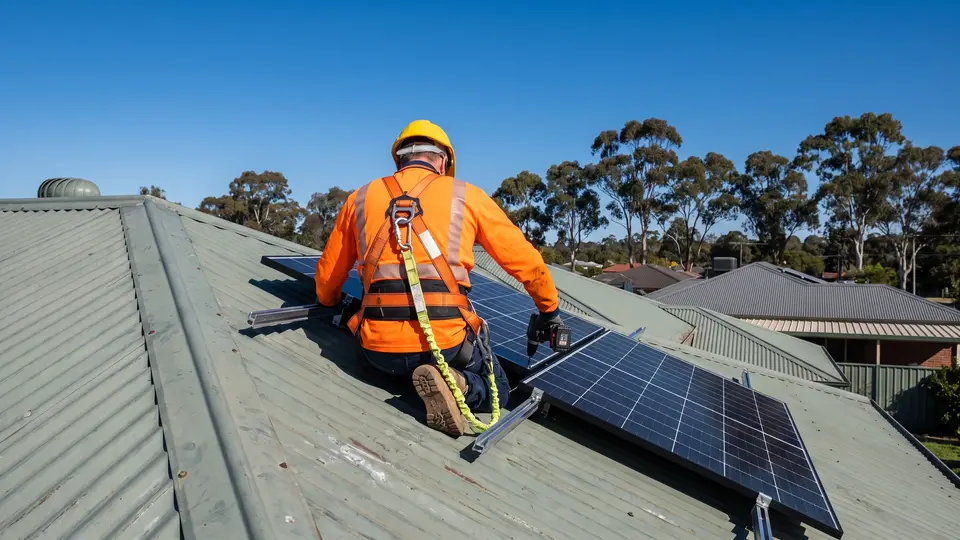
What's actually happening on roofs near you
What Mackay homeowners ask us
Mackay homeowners ask about cyclone ratings, about the wet season and about warranties. The first two are matters of choosing an installer who works here year round and specifies for the climate. The third is the one that bites: several installers that sold heavily in regional Queensland no longer exist, and their workmanship warranties went with them. Check the company against our list, ask how long it has traded under its ABN, and make sure the panel and inverter brands have Australian support offices, not just an importer.
Questions people ask
How many homes in Mackay installed solar in the last 12 months?
What solar rebates apply in Mackay?
What is the best feed-in tariff in Mackay?
How much does it cost to install solar panels in Mackay?
Is it worth getting solar in Mackay?
Who is the best solar installer in Mackay?
What is the 20% rule for solar?
Suburbs in the Mackay figures
- Alexandra
- Alligator Creek
- Andergrove
- Bakers Creek
- Balberra
- Balnagowan
- Beaconsfield
- Belmunda
- Blacks Beach
- Bucasia
- Caneland
- Cape Hillsborough
- Chelona
- Coningsby
- Coral Sea
- Cremorne
- Dolphin Heads
- Dumbleton
- Dundula
- Dunnrock
- East Mackay
- Eimeo
- Erakala
- Foulden
- Glenella
- Grasstree Beach
- Greenmount
- Habana
- Half Tide Beach
- Haliday Bay
- Hay Point
- Homebush
- Keswick Island
- Louisa Creek
- Mackay
- Mackay Caneland
More city pages in Queensland
Your rebate, one Why Solar Approved installer in Mackay, and a solar expert on the phone before you sign.
60 seconds. Free. No installer calls until you choose a time.