
Solar Panels Australia

Tier-1 panels from the manufacturers Australian installers fit most. Every brand here is SAA approved, backs its panels for 25 years or more, and builds them for Australian heat.

Prices and rebates updated for 2026.
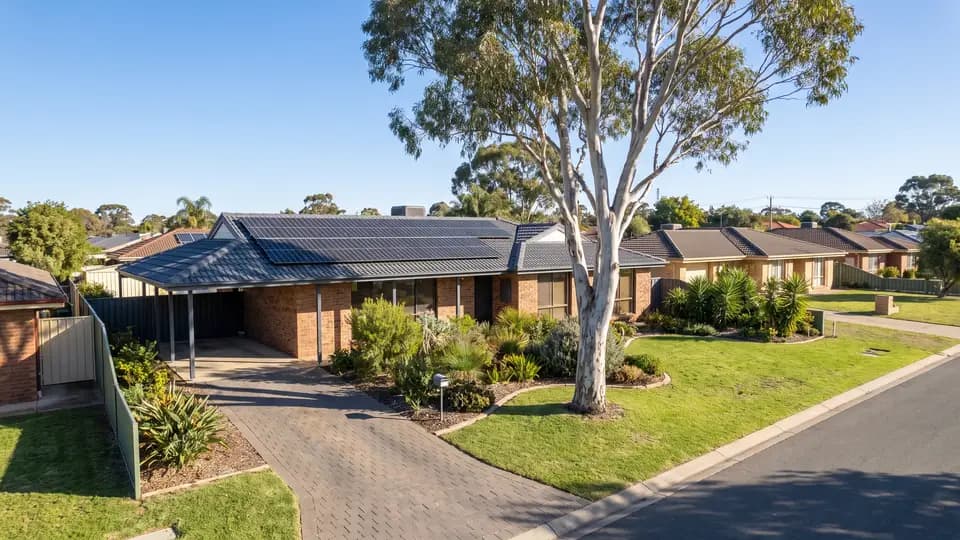
Brick house with solar panels across its roof on a suburban Australian street

Solar panels in 2026, in four numbers

The most popular size
6.6 kW
12 to 15 panels, about 26 kWh a day
6.6 kW after the STC rebate
$3,486 to $6,518
$5,500 to $8,000 installed, before the rebate
STC rebate on 6.6 kW
$1,482 to $2,014
Zone 4 (Melbourne) to Zone 1 (Alice Springs)
Panel warranties
25 to 40 yrs
Product and performance, tier-1 brands

Types of solar panels

Modern solar panels come in three main varieties. Here is what you need to know about each one.

Monocrystalline

Efficiency

20 to 23%

Best for: Most residential installations

Pros

  • Highest efficiency
  • Best for limited roof space
  • Longer lifespan
  • Better heat tolerance

Cons

  • Higher upfront cost

N-Type (TOPCon/HJT)

Efficiency

22 to 25%

Best for: Maximum performance seekers

Pros

  • Latest technology
  • Excellent low-light performance
  • Lower degradation
  • Better temperature coefficient

Cons

  • Premium pricing

Polycrystalline

Efficiency

15 to 17%

Best for: Budget installations with ample roof space

Pros

  • Lower cost
  • Good value

Cons

  • Lower efficiency
  • Larger footprint needed
  • Less common now

Top solar panel brands

The six tier-1 manufacturers Australian installers fit most. All are SAA approved, with proven track records and long product and performance warranties.
  • LONGi

    China
    Efficiency
    Up to 22.8%
    Warranty
    25 years product, 30 years performance

    World's largest solar manufacturer. Excellent value and reliability.

  • Jinko Solar

    China
    Efficiency
    Up to 23.5%
    Warranty
    25 years product, 30 years performance

    Tiger Neo N-type panels. Strong track record and global presence.

  • Trina Solar

    China
    Efficiency
    Up to 22.5%
    Warranty
    25 years product, 30 years performance

    Vertex series with excellent performance. Reliable tier-1 manufacturer.

  • Canadian Solar

    Canada/China
    Efficiency
    Up to 22.8%
    Warranty
    25 years product, 30 years performance

    HiKu and TOPBiHiKu series. Solid reputation and bankability.

  • REC

    Norway
    Efficiency
    Up to 22.3%
    Warranty
    25 years product & performance

    Alpha Pure series. Premium European brand with excellent quality control.

  • SunPower/Maxeon

    USA
    Efficiency
    Up to 24.1%
    Warranty
    40 years product & performance

    Industry-leading efficiency and warranty. Premium pricing.

Specs side by side: compare solar panels, or read the brand reviews.

Popular system sizes

The right system size depends on your energy use, your roof and your plans. Here is what the common sizes produce and cost.
  • 5 kW

    10 to 12 panels, 20 kWh a day

    Small household, 1 to 2 people

    Installed
    $4,500 to $6,500
    After STCs
    $2,980 to $5,398
  • 6.6 kW

    12 to 15 panels, 26 kWh a day

    Average household, 3 to 4 people

    Installed
    $5,500 to $8,000
    After STCs
    $3,486 to $6,518
  • 10 kW

    18 to 22 panels, 40 kWh a day

    Large household or EV owner

    Installed
    $8,000 to $12,000
    After STCs
    $4,922 to $9,758
  • 13 kW

    24 to 30 panels, 52 kWh a day

    Large home, pool, multiple EVs

    Installed
    $10,000 to $15,000
    After STCs
    $6,010 to $12,074

*Installed prices are indicative for good quality equipment and vary by location and installation complexity. The after-STC price takes off the federal STC rebate, which depends on your zone. The full breakdown by size, city and state is in our solar panel cost guide.

What to look for in solar panels

  1. Efficiency rating

    Higher efficiency means more power from less roof space. Look for 20%+ efficiency for modern panels.

  2. Temperature coefficient

    Panels lose efficiency in heat. Lower coefficients (e.g., -0.3%/°C) perform better in Australian summers.

  3. Product warranty

    Covers manufacturing defects. Premium panels offer 25-year product warranties (not just performance).

  4. Degradation rate

    Panels slowly lose output over time. Quality panels degrade less than 0.5% per year.

  5. Manufacturer bankability

    Choose established manufacturers likely to honour warranties in 20+ years. Tier-1 status matters.

  6. SAA approval

    Required for rebates. Ensures the panel meets Australian safety and quality standards.

Frequently asked questions

How long do solar panels last?
Quality solar panels last 25 to 30 years or more. Most manufacturers guarantee at least 80% of original output after 25 years. The inverter typically needs replacing at 10 to 15 years.
How many panels do I need?
A typical Australian home uses 15 to 25 kWh per day. A 6.6 kW system (12 to 15 panels) covers most households. Your installer should size the system from your bills, and a solar expert can check that sizing with you before you sign.
Do panels work on cloudy days?
Yes, but at reduced output. Panels generate 10 to 25% of their rated output on overcast days. Annual production accounts for weather variations.
What maintenance do panels need?
Very little. Rain usually keeps panels clean. An annual visual check and occasional cleaning (if dirty) is enough. We recommend a professional inspection every 2 to 3 years.
Can I add more panels later?
Often yes, depending on your inverter capacity and roof space. Ask your installer to design the system with future expansion in mind.

Find out which panels suit your roof

See your rebate first. One Why Solar Approved installer, one free written quote, and fifteen minutes with a solar expert before you sign. The expert checks the panels, the inverter and the price on that quote with you.

Up to $8,000+ in solar and battery rebates · Federal rebates step down in 80 daysSee how we calculate this