
State Battery Guide
Solar Batteries Tasmania 2026: Federal Rebate and What to Buy
Tasmania is unusual: the grid is more than 80% hydro and the daily price spread between peak and off-peak is narrower than mainland markets. That changes battery economics. Storage still pays for itself for most households with existing solar, but the case is built on bill smoothing and self-sufficiency rather than price arbitrage. The federal Cheaper Home Batteries rebate is the main incentive available.
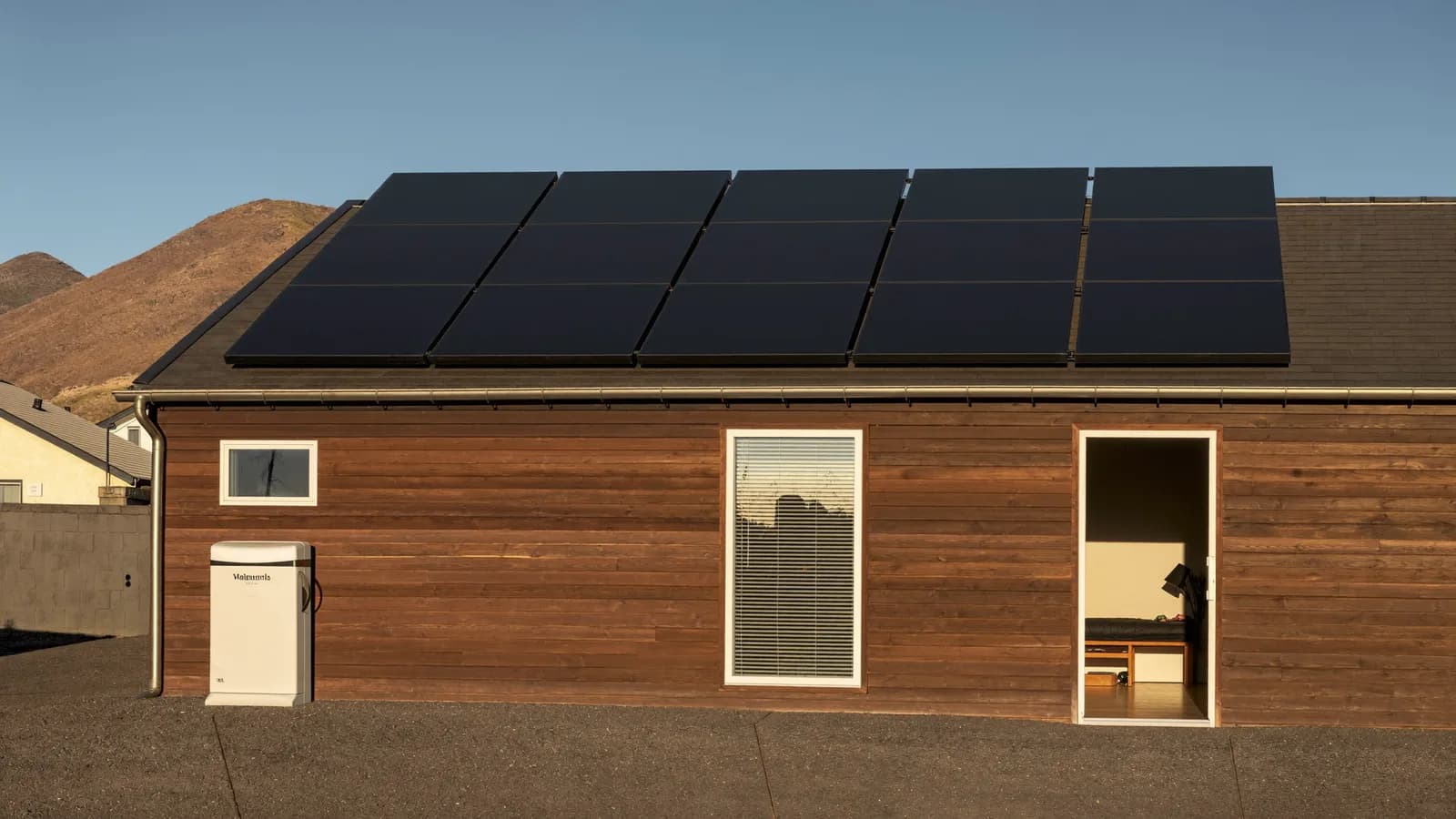
Your battery rebate, checked before you sign
By Bec Ramirez
9 min read
The federal rebate takes about $3,610 off a 14 kWh battery installed before 1 January 2027, when it steps down.
Current battery rates end 1 January 2027 · 80 days remaining
Why batteries make sense in Tasmania
Tasmania has Australia's lowest peak sun hours (3.6 to 4.2 per day winter to summer) but also one of the cleanest grids, with hydro covering most baseload. That changes what a battery does for you. In NSW or QLD, batteries are about price arbitrage; in Tasmania they are about self-sufficiency and reducing dependence on Aurora's flat rates. Households with larger solar systems (8 to 13 kW) typically have surplus generation in summer that a battery can capture for evening use. Payback is slower than mainland states (10 to 13 years typical) but ongoing reliability and outage protection have non-financial value, particularly in regional Tasmania.
What you can claim in TAS
Tasmania has no current state-specific battery rebate. The federal Cheaper Home Batteries Program is the main incentive, providing around $258 per kWh on the first 14 kWh under the tiered rates in effect since 1 May 2026 (about $2,584 off a 10 kWh battery, $3,458 off a 13.5 kWh battery). The next federal STC factor stepdown is 1 January 2027. Tasmania's Energy Saver Loan scheme can be used to finance battery purchases at below-market interest rates, though it is not a rebate.
Example: Tesla Powerwall 3 (13.5 kWh)
Example only. Actual price varies with installer, switchboard work, and battery model. The federal rebate is calculated on usable capacity in tiered bands.
Your battery rebate, checked before you sign
The federal rebate takes about $3,610 off a 14 kWh battery installed before 1 January 2027, when it steps down. One Why Solar Approved installer near you, and fifteen minutes with a solar expert before you sign.
Current battery rates end 1 January 2027 · 80 days remaining
Which battery should you buy in TAS?
Tasmania's cooler climate is generally favourable for battery longevity (lithium chemistry degrades faster in heat). Tesla Powerwall 3 and Sungrow SBR are the most common installations. For homes in regional Tasmania prone to outages, batteries with strong off-grid and backup capability matter more than peak performance: Sungrow SBR with the SH-RT inverter, or Tesla Powerwall 3 with full backup configuration, are common choices. Most households with 6 to 10 kW solar benefit from 10 to 13.5 kWh of storage; going larger rarely pencils out due to lower solar generation in winter.
| Battery | Capacity | Federal rebate | Price after rebate |
|---|---|---|---|
| Tesla Powerwall 3 | 13.5 kWh | $3,458 | $9,000–$12,500 |
| BYD Battery-Box Premium | 10.2–20.5 kWh | $2,622–$4,598 | $6,000–$11,500 |
| Sungrow SBR | 9.6–25.6 kWh | $2,470–$5,396 | $5,100–$12,700 |
| Enphase IQ Battery | 10.08 kWh | $2,584 | $5,900–$15,500 |
| Alpha ESS SMILE5 | 5.7–34.2 kWh | $1,444–$6,004 | $6,800–$11,000 |
Final price ranges include installation. Federal rebate values reflect the tiered structure in effect since 1 May 2026.
What installation looks like in Hobart and beyond
Hobart and Launceston installations typically add $1,500 to $3,000 on top of battery hardware. Switchboard upgrades are slightly more common than mainland states because Tasmanian housing stock is older on average. TasNetworks requires VPP-capable commissioning and applies export limits that vary by feeder; rural and east-coast installations sometimes face tighter export caps. Installer availability is more limited than mainland capital cities, with typical lead times of 4 to 8 weeks.
See the battery rebate your quote should show
The federal rebate takes about $3,610 off a 14 kWh battery installed before 1 January 2027, when it steps down. Then a solar expert goes through it with you, and your quote, before you sign.
Current battery rates end 1 January 2027 · 80 days remaining
Get a battery quote for your TAS home
Matched with one reliable, experienced local installer. No pushy sales, no spam, no calls until you say so. The federal STC factor steps down on 1 January 2027, so installing sooner secures a larger rebate.
Get my free TAS battery quotearrow_forwardSources
The next step
If you're considering a home battery system, Bec and the team can match you with one Why Solar Approved installer near you for a free written quote, and fifteen minutes with a solar expert before you sign.

Written by
Aussie Mum & Energy Expert
Helps families switch to solar with practical, real-world advice. Bec focuses on the financial side: rebates, bill savings and financing options, so everyday Australians can see real value from going solar.
If you have any questions about the information in this guide, email hello@whysolar.com.au or call +61 2 5657 6527.