
Solar panels in Bendigo: prices, rebates and savings
Bendigo gets more sun than most of Victoria. It sits north of the Great Dividing Range, on the dry side, so it misses much of the cloud that Melbourne and the Highlands get, and summers are hot enough that air conditioning drives the afternoon peak. The Clean Energy Regulator's postcode data on this page covers Bendigo and its inner suburbs, Golden Square and Kangaroo Flat, Eaglehawk, and the outer growth areas of Huntly, Epsom, Strathfieldsaye and Maiden Gully.
Clean Energy Regulator small-scale installation data across 5 postcodes in central Victoria, to November 2026. Averages include some business systems.
About two minutes. Free. No installer calls until you choose a time.
How much power does solar make in Bendigo?
Bendigo averages 4.8 peak sun hours a day and sits in STC Zone 3. A peak sun hour is an hour of sunlight at full strength, so the figure is what a panel collects once the weaker morning and evening light is added up. On that average, this is what the two most common system sizes produce on a north-facing roof with no shade.
| System | Average day | Year |
|---|---|---|
| 6.6 kW | 26.9 kWh | 9,829 kWh |
| 10 kW | 40.8 kWh | 14,892 kWh |
Worked as system size times 4.8 peak sun hours times 85%, the allowance our suburb pages make for inverter, heat and wiring losses, over 365 average days. Summer days produce well above the average and winter days well below it, and an east or west-facing array produces less than a north-facing one.
Across the eight capitals, the same 6.6 kW system makes from about 7,576 kWh a year in Hobart to about 11,262 kWh in Darwin. In Bendigo it makes about 17% more than it would in Melbourne. More sun means more output from the same panels, but it does not change the STC rebate within a zone: that is set by the zone, the system size and the year you install.
What solar rebates can you get in Bendigo in 2026?
- Federal
- Up to $8,000+ in solar and battery rebates in STC Zone 3. See how we calculate this.
- Victoria
- $1,400 on panels through Solar Victoria for eligible households. The battery loan program has closed.
- Feed-in tariff
- The best single-rate plan we can find for a home without a battery in Victoria pays 12.0c per kWh (Origin Energy). Compare VIC feed-in tariffs.
Where the installs are going
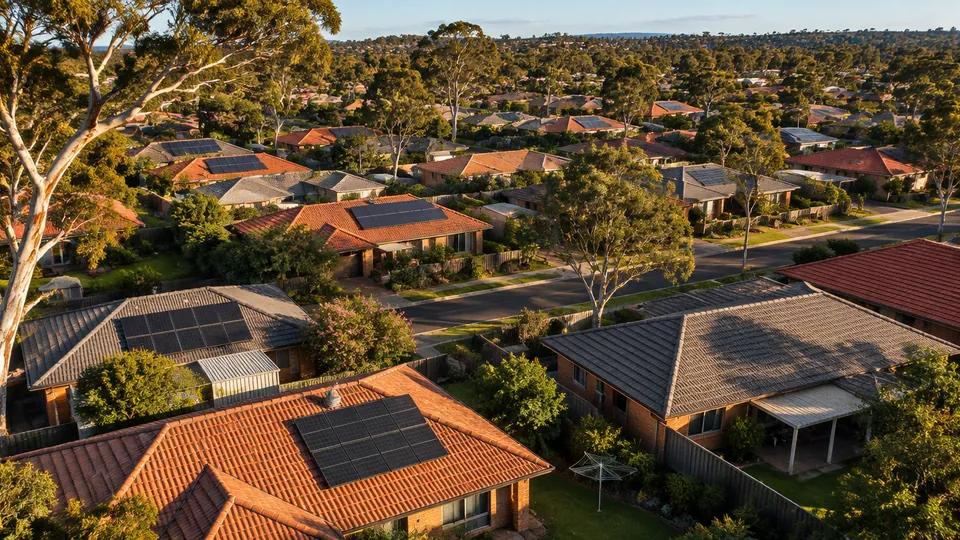
That outer ring is where most of the recent installs have gone. Huntly and Epsom in particular have been building fast, and new homes there go up with solar-ready roofs and switchboards. The older goldfields suburbs of Long Gully, California Gully and Ironbark have more solar than you might expect, often on modest weatherboard homes where the bill matters.
Roofs and homes in Bendigo
Bendigo's housing runs from goldrush-era weatherboards and brick cottages through to sixties brick veneer and modern Colorbond estates. The older homes often have corrugated iron roofs that take panels easily, provided the iron is sound; a roof that is due for replacement should be replaced before the array goes on, not after. Heritage overlays apply in parts of central Bendigo and can affect what is visible from the street. Summer heat is the design factor: panels lose output as they get hot, so ventilation under the array and an inverter mounted out of the afternoon sun both matter here. Hail comes through central Victoria most springs, and it is worth reading the impact rating on the panel datasheet before you sign.
The network: Powercor
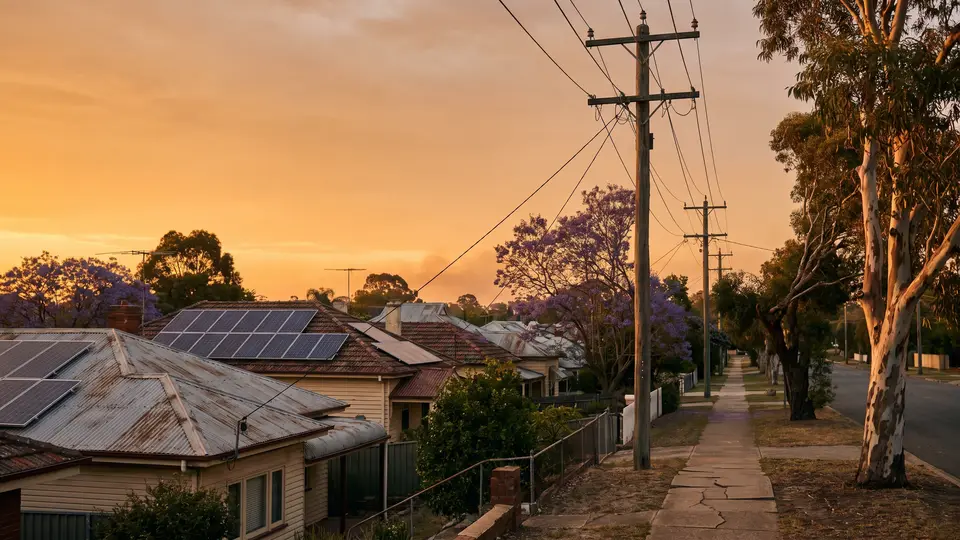
Powercor is the distributor. The usual single-phase export limit is 5 kW, three-phase homes can go higher, and flexible exports are available in some parts of the network. Because Bendigo's peak is a hot afternoon rather than a cold evening, a battery here does useful work covering the early evening when the air conditioner is still running and the array has stopped. With no minimum feed-in tariff in Victoria since 1 July 2025, self-consumption is the priority.
Batteries in Bendigo
The federal Cheaper Home Batteries rebate applies in Bendigo as it does everywhere. It is paid on usable capacity, at $272/kWh for the first 14 kWh and at lower rates above that, and like the STC rebate it comes off the price at the point of sale. It steps down on 1 January 2027, when the full rate falls to $228/kWh.
| Battery (usable) | Federal rebate |
|---|---|
| 10 kWh | $2,720 |
| 14 kWh | $3,800 |
The table is the federal rebate only: there is no VIC battery rebate that a typical household can count on.
Victoria: $1,400 on panels through Solar Victoria for eligible households. The battery loan program has closed.
Whether a battery pays in Bendigo comes down to the gap between what you pay for power and what you are paid for exporting it. Each kWh a battery moves from export into your evening is worth about 16.0c (28.0c less 12.0c). A 10 kWh battery that filled and emptied every day would be worth up to $584 a year on that gap alone; most do less in winter, when there is less surplus to store.
Battery prices by size, before and after the federal rebate, are in our battery cost guide, and the VIC battery rebate page has the state detail. Sizing and running costs are in our VIC solar battery guide.
Installers in Bendigo
We have not published an installer guide for Bendigo yet. Our national installer directory lists SAA-accredited installers with customer reviews.
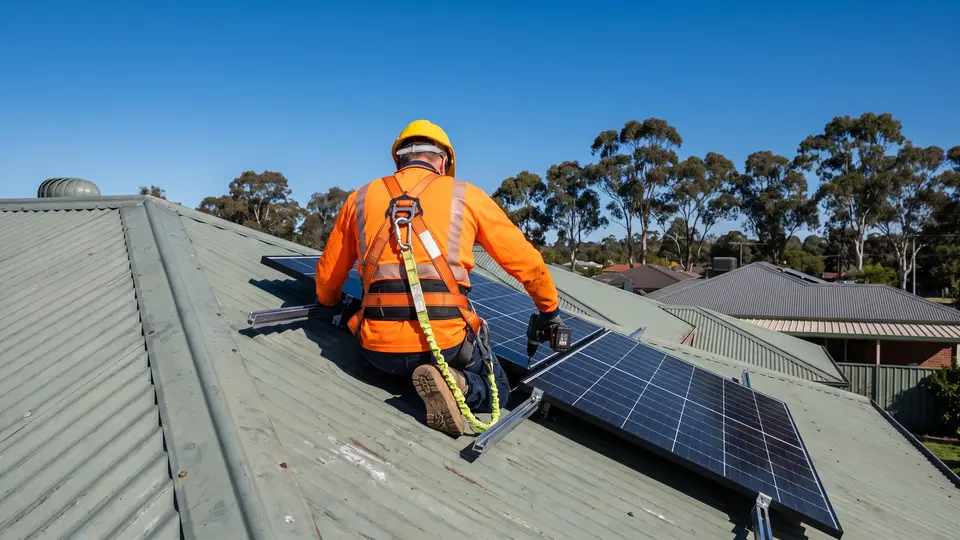
When you check your rebate with us, you are matched with one Why Solar Approved installer in Bendigo. An installer has passed all six of our checks: credentials, staying power, proof of work, who actually turns up to do the job, what goes in, and how they handle trouble. They earn it before they see a single homeowner, and they lose it if they let one down. The installer never cold-calls you; the one call is from a solar expert, fifteen minutes before you sign.
What's actually happening on roofs near you
What Bendigo homeowners ask us
The most common question from Bendigo is about system size, because the roofs are large and the sun is good, and the temptation is to fill the roof. Sizing to your usage and your export limit usually gives a better return than sizing to the roof. The second question is about Solar Victoria, which is worth checking for current availability, and the third is who is still trading, because central Victoria saw several installers disappear over the last few years. Our network is checked for staying power before price.
Questions people ask
How many homes in Bendigo installed solar in the last 12 months?
What solar rebates apply in Bendigo?
What is the best feed-in tariff in Bendigo?
Is 10 kW of solar enough for a home in Bendigo?
How long will a 10 kWh battery last?
Who is the best solar installer in Bendigo?
What is the 20% rule for solar?
Suburbs in the Bendigo figures
- Arnold
- Arnold West
- Ascot
- Axe Creek
- Axedale
- Bagshot
- Bagshot North
- Bendigo
- Bendigo Forward
- Bendigo South
- Big Hill
- California Gully
- Campbells Forest
- Comet Hill
- Cornella
- Creek View
- Diamond Hill
- Eaglehawk
- Eaglehawk North
- East Bendigo
- Emu Creek
- Eppalock
- Epsom
- Flora Hill
- Golden Gully
- Golden Square
- Huntly
- Huntly North
- Ironbark
- Jackass Flat
- Junortoun
- Kangaroo Flat
- Kennington
- Kimbolton
- Lake Eppalock
- Lansell Plaza
Your rebate, one Why Solar Approved installer in Bendigo, and a solar expert on the phone before you sign.
About two minutes. Free. No installer calls until you choose a time.