
Inverter-Battery Compatibility Guide Australia 2026
Short answer: most hybrid inverters only work with one battery brand. Fronius pairs with BYD, Sungrow pairs with Sungrow SBR, Huawei pairs with LUNA 2000, and Enphase pairs with Enphase IQ Battery. The exception is Tesla Powerwall, which is AC-coupled and works alongside any existing solar inverter. Check the matrix below before committing to a quote.
One of the most expensive mistakes in solar is buying an inverter and battery that do not work together. Unlike solar panels (which work with any inverter), batteries are locked to specific inverter platforms. This guide maps every common combination installed in Australia so you can plan your system with confidence.
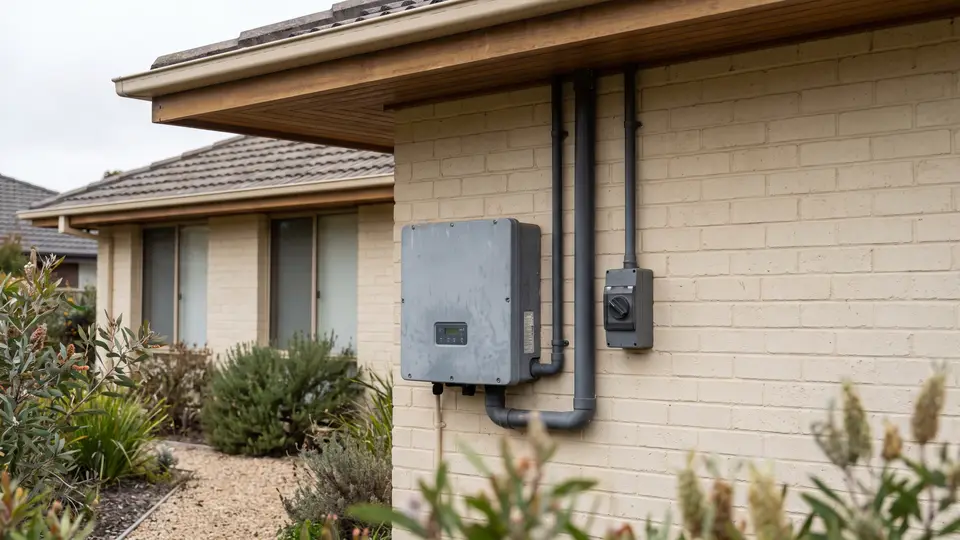
Compatibility matrix
Fronius Gen24 Plus
Hybrid, 3-phase
Works withBYD Battery-Box HVS/HVM, native
Sungrow SH Series
Hybrid, 1 or 3-phase
Works withSungrow SBR, native
Huawei SUN2000
Optimised String / Hybrid, 1 or 3-phase
Works withHuawei LUNA 2000, native
SolarEdge Home Hub
Optimised String / Hybrid, 1 or 3-phase
Works withSolarEdge Home Battery, native
Enphase IQ8 Microinverters
Microinverter, 1 or 3-phase
Works withEnphase IQ Battery, native
Tesla Inverter
Hybrid, 1-phase
Works withTesla Powerwall 2/3, native
GoodWe EH/BH Series
Hybrid, 1 or 3-phase
Works withBYD Battery-Box HVS/HVM, supportedAlpha ESS SMILE, supported
Sigenergy SigenStor
Hybrid (all-in-one), 1 or 3-phase
Works withSigenergy SigenStor, native
SMA Sunny Tripower
String (no battery), 3-phase
Works withTesla Powerwall 2/3, supported
Fronius Primo/Symo (non-hybrid)
String (no battery), 1 or 3-phase
Works withTesla Powerwall 2/3, supported
Not sure which battery works with your inverter?
Federal battery rebate: about $3,610 on a 14 kWh battery. One Why Solar Approved installer, one free written quote, and fifteen minutes with a solar expert before you sign.
Inverter-battery pairing notes
Fronius Gen24 Plus
Hybrid, 3-phase
Fronius Gen24 supports BYD Battery-Box, LG RESU FLEX, and the newer Fronius Reserva battery. Multiple DC-coupled options available.
Sungrow SH Series
Hybrid, 1 or 3-phase
Sungrow hybrid inverters are designed exclusively for Sungrow SBR batteries. The SH series and SBR share a single communication bus.
Huawei SUN2000
Optimised String / Hybrid, 1 or 3-phase
Huawei hybrid models only support LUNA 2000 batteries. Standard string models have no battery interface.
SolarEdge Home Hub
Optimised String / Hybrid, 1 or 3-phase
SolarEdge Home Hub uses a DC-coupled battery interface exclusively for SolarEdge Home Battery (48V LFP).
Enphase IQ8 Microinverters
Microinverter, 1 or 3-phase
Enphase is a fully AC-coupled system. The IQ Battery communicates via the Enphase Envoy gateway. Third-party batteries are not supported.
Tesla Inverter
Hybrid, 1-phase
Tesla Inverter is sold exclusively as part of the Tesla solar + Powerwall package. Cannot be purchased standalone.
GoodWe EH/BH Series
Hybrid, 1 or 3-phase
GoodWe supports a wider range of third-party batteries via its open high-voltage battery interface. BYD and Alpha ESS are the most commonly paired.
Sigenergy SigenStor
Hybrid (all-in-one), 1 or 3-phase
Sigenergy is an integrated inverter + battery system. The inverter and battery modules are part of a single modular stack.
SMA Sunny Tripower
String (no battery), 3-phase
SMA Tripower is a pure string inverter with no built-in battery interface. Tesla Powerwall can be AC-coupled alongside any string inverter, including SMA.
Fronius Primo/Symo (non-hybrid)
String (no battery), 1 or 3-phase
Non-hybrid Fronius inverters have no battery interface. Tesla Powerwall can be AC-coupled alongside. For DC-coupled battery, upgrade to the Gen24 Plus.
AC-coupled vs DC-coupled: why it matters
| Factor | DC-coupled | AC-coupled |
|---|---|---|
| How it connects | Battery shares DC bus with solar panels via hybrid inverter | Battery has its own inverter, connects at the switchboard |
| Round-trip efficiency | 90 to 95% | 85 to 90% |
| Inverter compatibility | Must match specific hybrid inverter | Works with any existing inverter |
| Best for | New installations planning battery from day one | Adding battery to existing solar system |
| Install cost | $500 to $1,500 less (no extra inverter) | Higher (battery includes its own inverter) |
| Example | Sungrow SH + Sungrow SBR, Fronius Gen24 + BYD | Any inverter + Tesla Powerwall |
If you are installing solar and battery at the same time, DC-coupled is almost always the better choice. It costs less, wastes less energy, and gives you a single app for monitoring everything. If you already have solar and want to add a battery without replacing your inverter, AC-coupled (typically Tesla Powerwall) is the way to go.
Frequently asked questions
Can I use any battery with any solar inverter?
No. Most hybrid inverters only work with specific battery brands. Fronius Gen24 works with BYD, LG RESU FLEX, and Fronius Reserva. Sungrow SH works with Sungrow SBR, Huawei works with LUNA 2000, and Enphase works with Enphase IQ Battery. The major exception is Tesla Powerwall, which is AC-coupled and can be added alongside any existing solar inverter without replacing it.
What is the difference between AC-coupled and DC-coupled batteries?
DC-coupled batteries connect directly to a hybrid inverter and share the same DC bus as the solar panels. This is more efficient (one less conversion step) and cheaper to install from scratch. AC-coupled batteries like Tesla Powerwall have their own built-in inverter and connect to your switchboard. They are less efficient but can be added to any existing solar system without changing the inverter.
Can I add a Tesla Powerwall to my existing solar system?
Yes. Tesla Powerwall is AC-coupled, meaning it connects to your switchboard independently of your solar inverter. It works with any brand of inverter, including Fronius, SMA, Sungrow, and Enphase. You do not need to replace your existing inverter to add a Powerwall.
What happens if I buy an inverter and battery that are not compatible?
They simply will not communicate with each other. The battery will not charge from solar or discharge to your home. Your installer should never pair incompatible equipment, but if you are getting multiple quotes, check that each quote uses a compatible inverter-battery combination from this guide.
Which inverter-battery combination is best value in Australia in 2026?
For most homes, the Sungrow SH hybrid inverter paired with Sungrow SBR batteries offers the best value. The combination starts from around $8,000 to $10,000 installed (inverter + 10kWh battery) and has strong VPP compatibility. For premium installations, the Fronius Gen24 Plus with BYD Battery-Box is a proven combination with excellent monitoring.
Do I need a hybrid inverter to add a battery later?
Not necessarily. You can add an AC-coupled battery like Tesla Powerwall to any existing solar system. However, if you plan to add a battery within the next few years, installing a hybrid inverter now saves $1,000 or more compared to retrofitting later, because DC-coupled batteries are cheaper to install and slightly more efficient.
Not sure which combination is right?
Tell us about your home, your solar setup, and whether you want a battery now or later. We match you with one Why Solar Approved installer who works with the right inverter and battery for your situation, for one free written quote. Before you sign, a solar expert spends fifteen minutes going through it with you.