
Battery Storage
Do home batteries really cut your bill? What AEMO's latest data shows
Wholesale electricity prices dropped sharply in the September 2026 quarter. AEMO's data also shows batteries supplying a record share of the evening peak and sample households with batteries drawing far less from the grid after dark. That is the bill story in one chart, with a catch: your retailer invoice still moves more slowly than the spot market.
Your solar rebate, checked before you sign
8 min read
Find out what your home actually needs
Every few months the Australian Energy Market Operator publishes its Quarterly Energy Dynamics report. The 23 October 2026 release for the September quarter is one of the clearest pictures yet of how rooftop solar and batteries are changing the National Electricity Market (NEM).
Two household-level ideas stand out. First, batteries are no longer a rounding error in the evening peak. Second, homes that pair solar with a battery behave very differently from solar-only homes when the sun is down. Wholesale prices also fell sharply year on year. That is good news at the generator level, but it is not the same as your retailer dropping rates next month.
Batteries in the evening peak
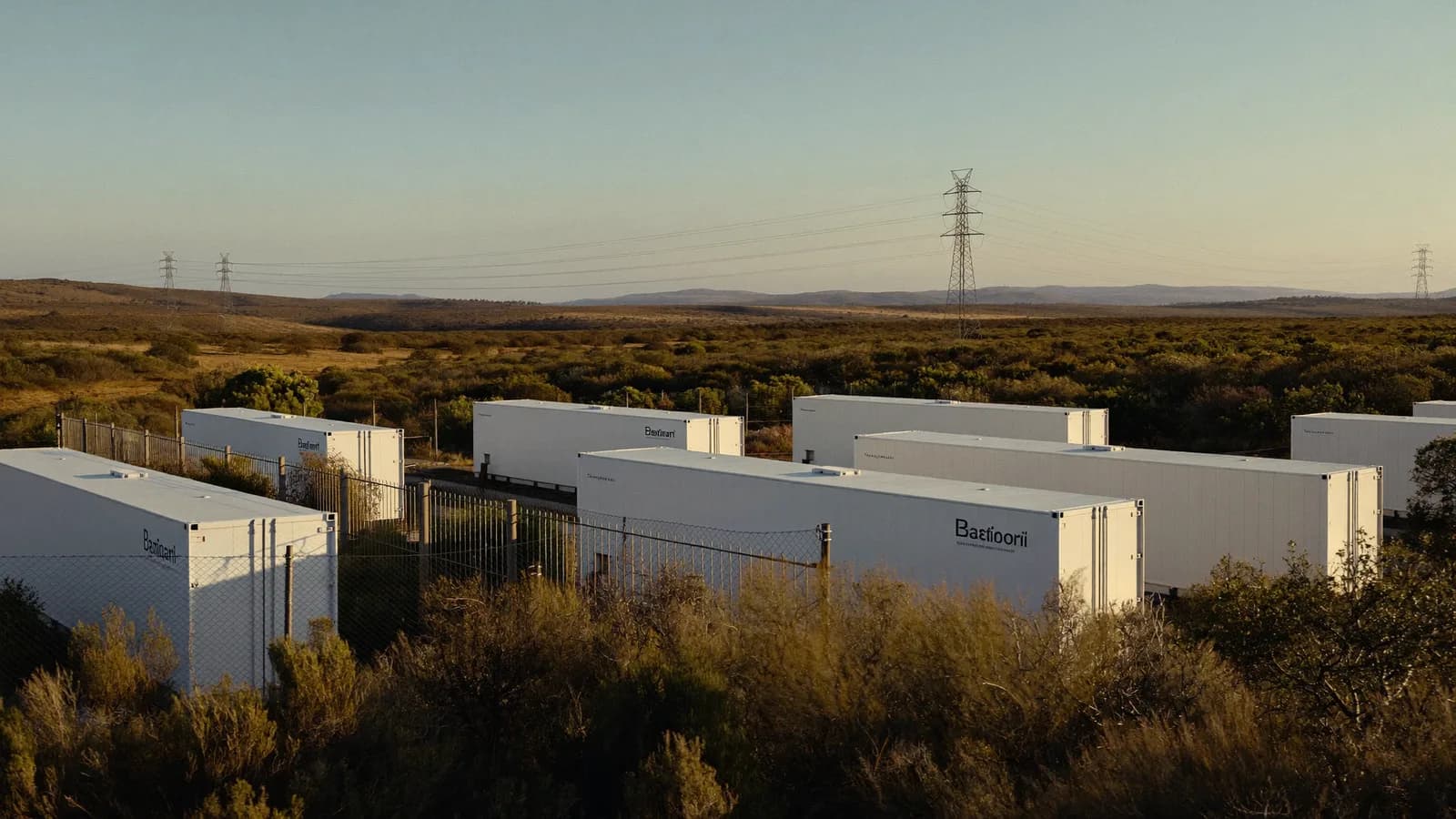
Between 4 pm and 9 pm, when households and businesses ramp up cooking, heating and lighting, the NEM still needs flexible generation. For years that role fell to gas plants setting high spot prices. In Q3 2026, AEMO reported grid-scale batteries supplied 8% of evening peak generation, beating gas-powered generation at 5.1% for the first time in any quarter.
AEMO attributed part of the shift to batteries charging on cheap daytime solar and discharging into the peak. The operator also noted batteries were setting prices in almost half of dispatch intervals, up from 18% a year earlier, and that increased battery activity contributed to lower evening peak prices.
At home, the same logic applies at smaller scale. A home battery stores surplus solar instead of exporting it for a few cents per kWh, then covers dinner-time loads that would otherwise hit peak tariffs. AEMO reported that sample data showed households with rooftop solar and batteries drew around three-quarters less electricity from the grid during the evening peak than households with rooftop solar alone.
Find out what your home actually needs
Free, takes 60 seconds, no obligation.
Wholesale prices fell. Your bill is a different equation.
Average NEM wholesale electricity prices, which contribute to retail prices over time, were $63/MWh in the September 2026 quarter according to AEMO. That was down 27% year on year and down 15% from the June 2026 quarter, the lowest September quarter average since 2021.
By region, AEMO reported year-on-year falls to $56/MWh in Victoria (-27%) and Tasmania (-38%), Queensland $61/MWh (-15%), South Australia $69/MWh (-34%) and New South Wales $74/MWh (-17%).
Lower wholesale prices help eventually, but a typical bill still bundles network charges, environmental costs, metering and retail margin. If you use most of your power between 4 pm and 9 pm without a battery, you are still exposed to peak rates that reflect scarcity in that window, even when midday wholesale prices are low or negative. Our guide why power bills stay high with solar walks through the split between cheap daytime generation and expensive evening usage.
What this means if you are deciding on a battery
AEMO is describing the market, not promising a payback period on a 10 kWh battery in your garage. Still, the direction is consistent: more solar is pushing down daytime prices, and storage (grid-scale and behind-the-meter) is easing the evening peak. A household that only has solar without storage still exports cheap power and buys expensive peak electricity. A household with a battery can keep more of its solar for itself.
If you already have panels, start with adding a battery to existing solar. If you are comparing new solar and battery packages, check rebates through our rebate quiz and read whether a virtual power plant suits how you use the battery.
Falling wholesale prices are real. So is the lag before they show up on your bill. The part you control faster is self-consumption: less grid draw at peak, which AEMO's sample data now quantifies for solar-plus-battery homes.
The next step
If you're considering solar panels or batteries for your home, Andy and the team can match you with one Why Solar Approved installer near you for a free written quote, and fifteen minutes with a solar expert before you sign.

Written by
Solar Installer Partner Relations
Connects homeowners with trusted, vetted solar installers across Australia. Andy works directly with installation companies to ensure quality standards and helps homeowners through the quoting process.
If you have any questions about the information in this guide, email andy@whysolar.com.au or call +61 2 5657 6527.