
VPP review, 2026
GEE Energy VPP Review
GEE Energy runs a VPP program targeting NSW households, with particularly strong economics for participants in the NSW Government's Battery Incentive Scheme (BESS2). BESS2 provides subsidised batteries to eligible low-to-moderate income households, and GEE Energy has structured its VPP credits to stack on top of the government subsidy. For non-BESS2 households, GEE Energy offers a tiered premium feed-in structure that pays above-market rates for evening battery exports between 5pm and 9pm. The 10+ compatible battery brands make it one of the most accessible programs in the NSW market.
- Est. annual earnings
- $300 to $600
- Export rate
- Premium FiT structure (tiered by time)
- Grid events
- Event-driven + continuous FiT optimisation
- Lock-in
- No lock-in
How GEE Energy VPP works
GEE Energy connects to your battery and manages exports using a tiered feed-in tariff model. Evening exports between 5pm and 9pm earn the highest rates, as this is when NSW grid demand and wholesale prices peak. The system automatically optimises your battery discharge to target the premium window. For BESS2 households, the monthly credits include both the base VPP program payments and an additional component funded through the BESS2 subsidy arrangement.
Payment structure
GEE Energy pays monthly bill credits. The base program pays approximately $25/month ($300/year) in credits for standard VPP participation. NSW BESS2 customers receive additional credits of approximately $50/month for the first 12 months, lifting year one earnings to $900+. From year two, earnings settle at the base $300/year unless the BESS2 top-up is extended. The evening premium FiT structure means households who export more during the 5pm to 9pm window earn toward the higher end of the range.
- Payment type
- Monthly bill credits
- Export rate
- Premium FiT structure (tiered by time)
- Commitment
- No lock-in
Realistic earnings
For a standard NSW household with a 10kWh battery, GEE Energy typically delivers $300 to $600/year depending on how much of the battery's discharge falls in the 5pm to 9pm premium window. BESS2 participants earn significantly more in year one ($600 to $900+) due to the government subsidy top-up. Evening-heavy households (home by 5pm, large energy use 5 to 9pm) maximise the tiered FiT benefit because the battery is still charged from daytime solar when the premium window opens.
Pros and cons
Pros
- Strong year 1 earnings for NSW BESS2 households
- No lock-in contract
- Tiered premium FiT pays extra for evening exports (5pm to 9pm)
- Works with 10+ battery brands
Cons
- Best rates tied to the NSW BESS2 subsidy scheme, and less competitive without it
- Smaller, less-known provider
- Premium evening FiT structure requires battery management to maximise earnings
GEE Energy VPP-compatible batteries
The following batteries are confirmed compatible with GEE Energy VPP for Australian homes in 2026. Check GEE Energy for the latest battery compatibility list as new models are added regularly.
Under the federal Cheaper Home Batteries rebate, all on-grid batteries must be VPP-capable to qualify. This means any battery eligible for the rebate of about 30% is also compatible with GEE Energy VPP and other VPP programs. Check the CER approved battery list for the full catalogue.
- Tesla PowerwallRebate eligible
- BYD Battery-BoxRebate eligible
- Sungrow SBRRebate eligible
- Enphase IQRebate eligible
- Alpha ESSRebate eligible
- SolaXRebate eligible
- GoodWeRebate eligible
- Redback TechnologiesRebate eligible
Contact GEE Energy for the latest compatibility list as new battery models are added regularly.
State availability
GEE Energy VPP is available in the following states: NSW, QLD.
How to sign up
GEE Energy is available to eligible NSW and QLD households. BESS2 participants should check with their battery installer whether GEE Energy is an approved VPP partner for the subsidy scheme. Non-BESS2 households can sign up directly through the GEE Energy website. Battery compatibility covers 10+ major brands. No additional hardware is required. Setup takes 1 to 2 weeks.
Requirements
- NSW eligible household
- BESS2 (NSW Battery Incentive) participant preferred
- Compatible battery
- NSW or QLD
Who is GEE Energy VPP best for?
NSW households in the BESS2 scheme looking to stack VPP income on their subsidised battery. Also worth considering for NSW and QLD households with evening-heavy consumption patterns who can exploit the premium 5pm to 9pm export window. Good battery brand coverage including Redback, AlphaESS, and SolaX that other NSW programs exclude.
GEE Energy VPP FAQs
How much can I earn with GEE Energy VPP?
GEE Energy VPP participants typically earn $300 to $600 per year with a 10kWh battery. Earnings depend on your state, battery size, and the number of grid events during the year.
What batteries work with GEE Energy VPP?
GEE Energy VPP is compatible with: Tesla Powerwall, BYD Battery-Box, Sungrow SBR, Enphase IQ, Alpha ESS, SolaX, GoodWe, Redback Technologies. Check with GEE Energy for the latest compatibility list as new battery models are added regularly.
Is there a lock-in contract with GEE Energy VPP?
No, GEE Energy VPP has no lock-in contract. You can leave at any time.
Which states is GEE Energy VPP available in?
GEE Energy VPP is currently available in NSW, QLD. Coverage may expand in the future, check with GEE Energy for the latest availability.
How does GEE Energy VPP compare to other VPPs?
GEE Energy VPP offers export rates of Premium FiT structure (tiered by time) and estimated annual earnings of $300 to $600. See our comparison table for how it stacks up against other programs. Visit our VPP comparison hub for a side-by-side breakdown.
Compare alternatives
| Program | Export rate | Est. annual | Lock-in |
|---|---|---|---|
| GEE Energy VPP (this review) | Premium FiT structure (tiered by time) | $300 to $600 | No lock-in |
| Tesla Energy Plan | 12 to 22c/kWh | $200 to $500 | No lock-in |
| Origin Loop VPP | Up to 20c/kWh | $300 to $600 | 12 months |
| AGL Virtual Power Plant | 15 to 18c/kWh | $250 to $500 | 24 months |
| Simply Energy VPP | 18 to 25c/kWh | $300 to $700 | No lock-in |
Related reading
- VPP vs Feed-in TariffSide-by-side earnings comparison to help you decide.
- Battery Arbitrage AustraliaProfit from time-of-use tariffs and wholesale price spikes.
- Best Solar Batteries 2026Top home batteries reviewed with VPP compatibility.
- Solar Battery Rebate 2026How the federal rebate takes about 30% off a home battery.
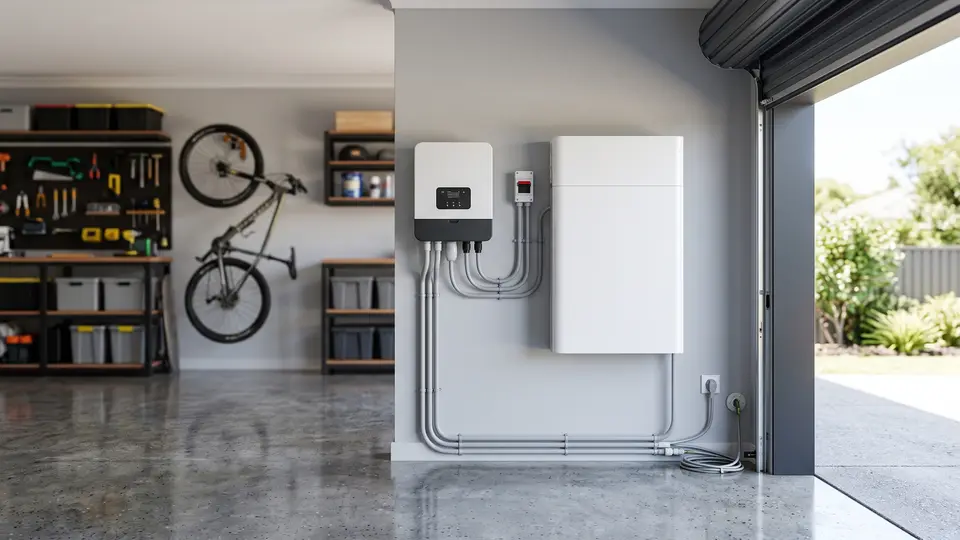
A battery that works with GEE Energy VPP.
One Why Solar Approved installer quotes a VPP-ready battery for your home. Then a solar expert goes through the quote with you before you sign, including whether a battery is worth it for you yet.