
Battery Storage
Sigenergy Battery Review: Is It Worth It for Australian Homes in 2026?
The brand Australian buyers keep overlooking has the highest customer ratings of any battery in the country. This review covers the specs, the price after the federal rebate and the trade-offs.
Your battery rebate, checked before you sign
10 min read
The federal rebate takes about $3,610 off a 14 kWh battery installed before 1 January 2027, when it steps down.
Current battery rates end 1 January 2027 · 80 days remaining
Most Australian households shopping for a battery in 2026 will compare Tesla Powerwall, Sungrow, and BYD. Sigenergy rarely comes up in the first conversation, despite the fact that it carries the highest customer satisfaction rating of any battery brand in the country. That gap between reputation and reality is what this review is about.
Sigenergy is a Chinese manufacturer founded around 2021. In the solar industry, that would usually trigger scepticism: too new, too untested. But the company has grown fast and established a meaningful installer network in Australia, and the owners who have bought one are unusually enthusiastic. With the federal Cheaper Home Batteries rebate knocking roughly 30% off the price, it is worth understanding what you are actually getting.
What is Sigenergy?
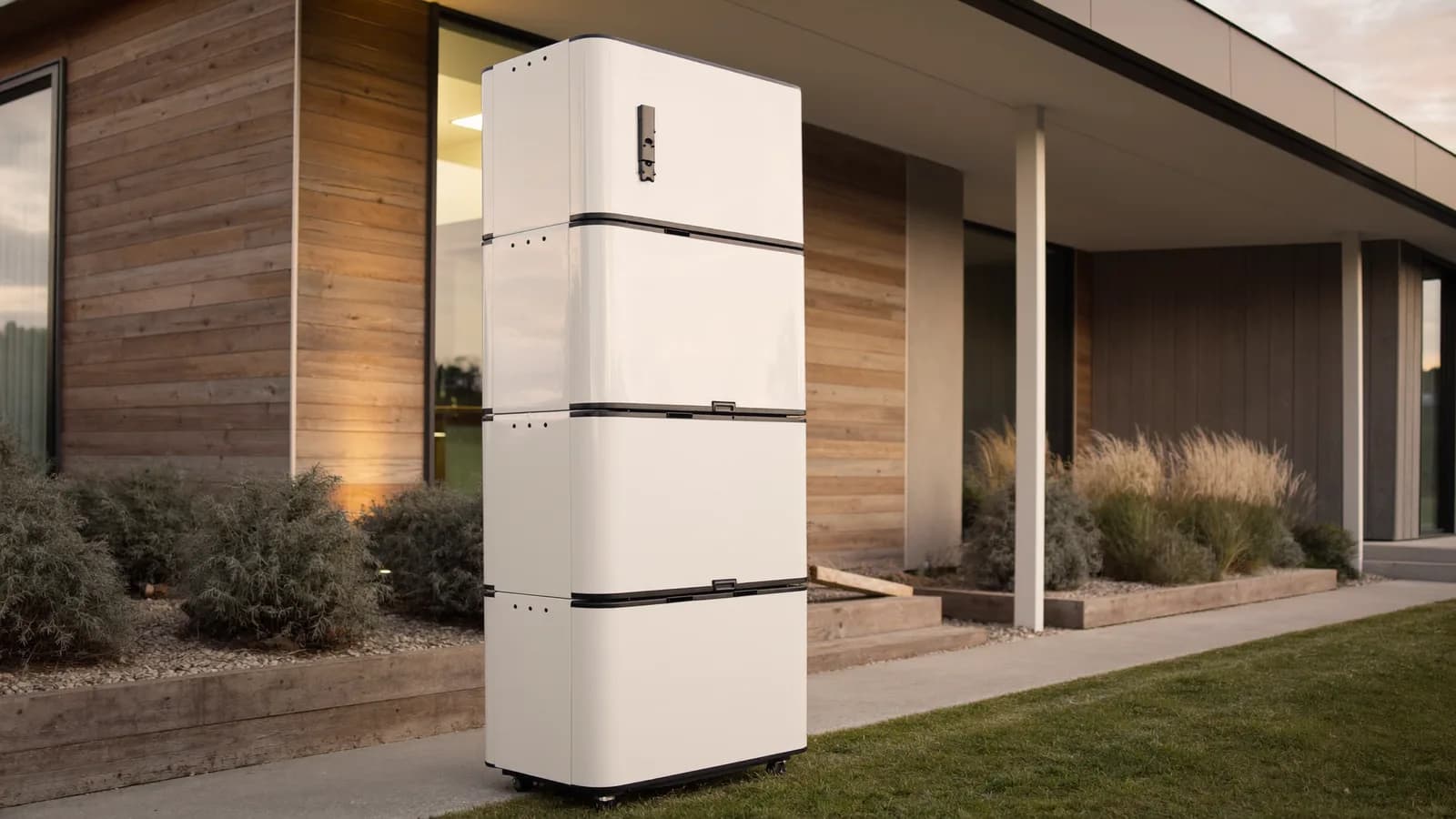
Sigenergy makes batteries, hybrid inverters, and EV chargers designed to work together as a single connected system. That is the central idea behind the brand: rather than bolting a battery from one manufacturer onto an inverter from another and hoping the two play nicely, Sigenergy builds all three components to communicate natively through one app and one management platform.
The company has achieved BNEF Tier 1 status as an energy storage manufacturer, which puts it alongside the more established names in the category. In Australia, its installer network has expanded rapidly over the past two years, and the brand now has genuine coverage in most major metro areas and a growing presence in regional markets.
The headline product for Australian homeowners is the SigenStor battery, which pairs with the Sigenergy hybrid inverter. If you also have or are planning an EV, the same ecosystem extends to Sigenergy's EV charger, with smart charging logic built in rather than added as an afterthought.
Your battery rebate, checked before you sign
The federal rebate takes about $3,610 off a 14 kWh battery installed before 1 January 2027, when it steps down. One Why Solar Approved installer near you, and fifteen minutes with a solar expert before you sign.
Current battery rates end 1 January 2027 · 80 days remaining
SigenStor battery: what the specs actually mean
The SigenStor uses lithium iron phosphate chemistry, known as LiFePO4 or LFP. This matters for two reasons. First, LFP cells do not overheat and enter thermal runaway the way standard lithium-ion cells can, which makes them significantly safer for residential installation. Second, LFP handles deep cycling better over time. Sigenergy rates the SigenStor for 6,000 charge-discharge cycles to 80% of original capacity, which at one full cycle per day translates to roughly 16 years of useful life. Most households do not run a full cycle daily, so real-world longevity is likely to be even longer.
The modular design starts at 5 kWh and can be stacked to 20 kWh or beyond by adding modules. That flexibility is useful: you can start with the capacity that makes financial sense today and expand later when you add an EV or your household electricity use grows. BYD offers a similar approach, but the Sigenergy version integrates the expansion into the same ecosystem rather than requiring a separate inverter reconfiguration.
| Specification | Detail |
|---|---|
| Chemistry | LiFePO4 (LFP) |
| Base capacity | 5 kWh per module |
| Maximum capacity | 20 kWh+ (stackable) |
| Cycle life | 6,000 cycles to 80% capacity |
| Warranty | 10 years product warranty |
| Ecosystem | Sigenergy hybrid inverter + EV charger |
| Rebate eligible | Yes (Cheaper Home Batteries program) |
| BNEF status | Tier 1 energy storage manufacturer |
Specifications as published by Sigenergy. Always confirm current specs with your installer, as module configurations can vary.
The ecosystem is the actual product
The battery specs are competitive, but they are not what makes Sigenergy different. What sets the brand apart is that the inverter, battery, and EV charger are designed as a single system rather than separate products forced to coexist.
In practice, this means a few things. Energy routing is more intelligent: the system knows your solar generation, your battery state, your EV charge level, and your grid tariff, and it makes decisions across all four simultaneously. If your EV charger is pulling from the same platform as your battery, the system can decide whether to charge the car from solar, the battery, or the grid based on live prices. Other brands can approximate this with third-party integrations, but integrations break, apps conflict, and software updates from one vendor can quietly degrade compatibility with another.
For households that do not currently own an EV, this may feel academic. But most Australian households that buy solar and batteries today will own an EV within the next five to ten years. Choosing a system that already has EV integration built in is a reasonable way to future-proof without paying extra for it today.
The customer review picture
Sigenergy holds a 4.9 out of 5 rating on SolarQuotes, drawn from roughly 1,000 Australian customer reviews. That is the highest rating of any battery brand on the platform, ahead of Tesla, BYD, Sungrow, and every other name on the market.
The reviews consistently highlight two things: how well the system works as an integrated whole, and the quality of installer support. Complaints, where they exist, mostly relate to installer scheduling and the typical friction of any construction project, rather than product failures.
High ratings from a large sample size are meaningful data. They are not a guarantee, and a 4.9 from 1,000 reviews from customers who have owned a product for one to three years tells you less than the same rating would from customers who have owned it for eight years. That is not a knock on Sigenergy specifically. It is simply the honest limit of what review data from a newer brand can tell you.
Sigenergy battery pricing in Australia
Sigenergy sits in the mid-to-premium price range. A complete system, meaning the hybrid inverter, a 10 kWh SigenStor battery, and installation, typically comes in between $11,000 and $16,000 before the federal rebate. After the Cheaper Home Batteries rebate, which applies approximately 30% off the battery component, most households are looking at a net installed cost of $8,000 to $12,000 for a 10 kWh setup.
That is not the cheapest option on the market. A Sungrow SBR with a Sungrow hybrid inverter can undercut that by $2,000 to $3,000 after rebates. But the Sigenergy price includes the ecosystem: the inverter is purpose-built to work with the battery, and the EV charger can slot in later without any additional integration work.
State rebates can be stacked on top of the federal one. NSW offers up to $1,500 through the PDRS VPP incentive. South Australia has up to $2,050 through the REPS scheme. Western Australia offers $1,300 to $3,800 depending on your location. Check your state's battery rebate page for current details and eligibility conditions.
| System size | Before rebate (approx.) | After federal rebate (approx.) |
|---|---|---|
| 5 kWh SigenStor | $7,000 to $10,000 | ~$5,500 to $8,500 |
| 10 kWh SigenStor | $11,000 to $16,000 | ~$8,000 to $12,000 |
| 15 kWh SigenStor | $15,000 to $20,000 | ~$10,500 to $15,500 |
| 20 kWh SigenStor | $18,000 to $24,000 | ~$12,000 to $18,000 |
Prices are approximate installed costs inclusive of inverter and labour, based on installer quotes gathered in early 2026. Federal rebate estimate based on approximately 30% discount on the battery component. State rebates are not included. Get quotes from your local installer for accurate pricing.
See the battery rebate your quote should show
The federal rebate takes about $3,610 off a 14 kWh battery installed before 1 January 2027, when it steps down. Then a solar expert goes through it with you, and your quote, before you sign.
Current battery rates end 1 January 2027 · 80 days remaining
Who Sigenergy suits best
Sigenergy is a strong fit for households that are building out their energy setup from scratch and want everything to work together cleanly. If you are installing solar for the first time and expect to add a battery and eventually an EV charger, the Sigenergy ecosystem lets you do that without accumulating a patchwork of incompatible brands.
It also suits households with moderate to high electricity bills who want a mid-premium battery with a strong track record from real owners. The 4.9-star rating from 1,000 reviews is not marketing copy. It is feedback from actual Australian customers using the product in actual Australian conditions.
If you already have a working hybrid inverter from a different brand, Sigenergy is harder to justify. The ecosystem benefit largely disappears if you are pairing the SigenStor with a non-Sigenergy inverter, and you would be paying a premium without the integration advantage that makes the brand worth considering.
Households primarily motivated by the lowest possible cost per kWh should also look at Sungrow first. The Sungrow SBR is meaningfully cheaper and has a longer Australian track record, though it does not offer the same ecosystem integration.
The honest trade-offs
Sigenergy is a newer brand. Founded around 2021, it has been in the Australian market for a fraction of the time that Sungrow or Tesla have. That is not inherently a problem, but it is a real difference. A brand with a fifteen-year Australian service history has demonstrated what happens when something goes wrong after year seven. Sigenergy has not had the opportunity to demonstrate that yet.
The 10-year warranty is only as good as the company behind it. Sigenergy is a substantial and growing manufacturer with BNEF Tier 1 status, which provides reasonable confidence. But it is still a different risk profile than buying from Sungrow, which has been a major Australian solar name since the early 2010s and has an established local service operation.
VPP compatibility is another consideration. Sigenergy is not yet as widely supported by Australian VPP providers as Tesla Powerwall or, increasingly, Sungrow. If maximising VPP earnings is important to your decision, confirm with your preferred VPP provider that they support Sigenergy before committing.
None of these are reasons to rule out Sigenergy. They are reasons to go in clear-eyed rather than just chasing the rating.
Sigenergy vs the alternatives
Against Sungrow, Sigenergy trades a lower price point and longer Australian track record for a more integrated ecosystem and notably higher customer ratings. If budget is the primary driver and you do not need EV integration, Sungrow wins on value. If you want the best-reviewed system and are building an integrated home energy setup, Sigenergy is worth the price premium.
Against Tesla Powerwall 3, Sigenergy is typically cheaper and offers the modularity that the Powerwall lacks. The Powerwall's advantages are its active thermal management, its wider VPP compatibility, and the Tesla brand's longer track record in Australia. For households that prioritise VPP earnings and want the simplest possible installation without worrying about inverter compatibility, Tesla remains the safer choice.
Against BYD, Sigenergy is more expensive but offers a more cohesive ecosystem. BYD requires a third-party inverter, which introduces the integration complexity that Sigenergy eliminates.
| Brand | Customer rating | 10 kWh (after rebate, approx.) | Ecosystem | Track record in AU |
|---|---|---|---|---|
| check_circleSigenergy | 4.9 / 5 | $8,000 to $12,000 | Full (inverter + battery + EV) | 2021+, newer |
| Tesla Powerwall 3 | 4.7 / 5 | $8,000 to $11,000 | Inverter included, no EV charger | Strong (2016+) |
| Sungrow SBR | 4.6 / 5 | ~$5,500 to $8,000 | Own inverter, no EV integration | Strong (2010s+) |
| BYD Battery-Box | 4.5 / 5 | ~$5,500 to $9,000 | Requires third-party inverter | Established (2010s+) |
Customer ratings from SolarQuotes as of early 2026. Pricing is approximate installed cost for a 10 kWh system after the federal Cheaper Home Batteries rebate. Sungrow price is battery-only and assumes an existing compatible inverter; add $1,500 to $3,000 for a new hybrid inverter if required.
The recommendation
Sigenergy deserves serious consideration from any Australian household that is setting up solar and a battery from scratch in 2026. The SigenStor's combination of LFP chemistry, modular sizing, integrated ecosystem, and the highest customer ratings in the country makes it a strong option, not a dark horse for its own sake.
The brand is newer than Sungrow or Tesla, and that is a real consideration rather than a footnote. If long-term track record in the Australian market is the most important factor in your decision, Sungrow or Tesla are lower-risk choices. If you are comfortable with a brand that is growing fast, well-rated, and built around a smarter integration model, Sigenergy is the one most people are not looking at and probably should be.
Before signing anything, confirm that your preferred installer has Sigenergy experience, check your state rebate eligibility, and get at least two or three quotes that include Sigenergy alongside one or two alternatives. The federal rebate applies to Sigenergy, so the net price you are comparing should reflect that discount from the start.
Sources
- SolarQuotes battery review database: Sigenergy brand ratings (accessed April 2026)
- DCCEEW: Cheaper Home Batteries Program, eligible products and rebate rates
- Sigenergy: SigenStor product specifications and warranty documentation
- BNEF Tier 1 Energy Storage Manufacturers list (2025)
- Installer pricing data gathered from CEC-accredited installers across NSW, VIC, QLD, SA, and WA (March to April 2026)
The next step
If you're considering a home battery system, Andy and the team can match you with one Why Solar Approved installer near you for a free written quote, and fifteen minutes with a solar expert before you sign.

Written by
Solar Installer Partner Relations
Connects homeowners with trusted, vetted solar installers across Australia. Andy works directly with installation companies to ensure quality standards and helps homeowners through the quoting process.
If you have any questions about the information in this guide, email andy@whysolar.com.au or call +61 2 5657 6527.