
Solar Pricing
Solar Inverter Cost Australia 2026: String, Micro-Inverter, and Hybrid Pricing
The inverter is the most expensive component most likely to need replacing in a solar system. Understanding inverter types and costs before buying a system is worth the time.
Your solar rebate, checked before you sign
By Bec Ramirez
8 min read
Find out what your home actually needs
Why the Inverter Decision Matters
Solar panels generate DC electricity. Your home runs on AC electricity. The inverter converts between the two and is the active component in a solar system: the one with electronics, firmware, moving parts (fans in some models), and the highest likelihood of needing replacement during the system's life. Panels routinely last 25 to 30 years. Inverters are typically warrantied for 10 years and realistically last 12 to 15 years.
The inverter also handles grid communication, safety disconnection, system monitoring, and in the case of hybrid inverters, battery management. Getting the inverter right sets up your system for the long term. Getting it wrong means replacing a $1,500 to $4,000 component mid-life, possibly requiring compatibility workarounds with your existing panels and battery.
String Inverters: The Standard Residential Choice
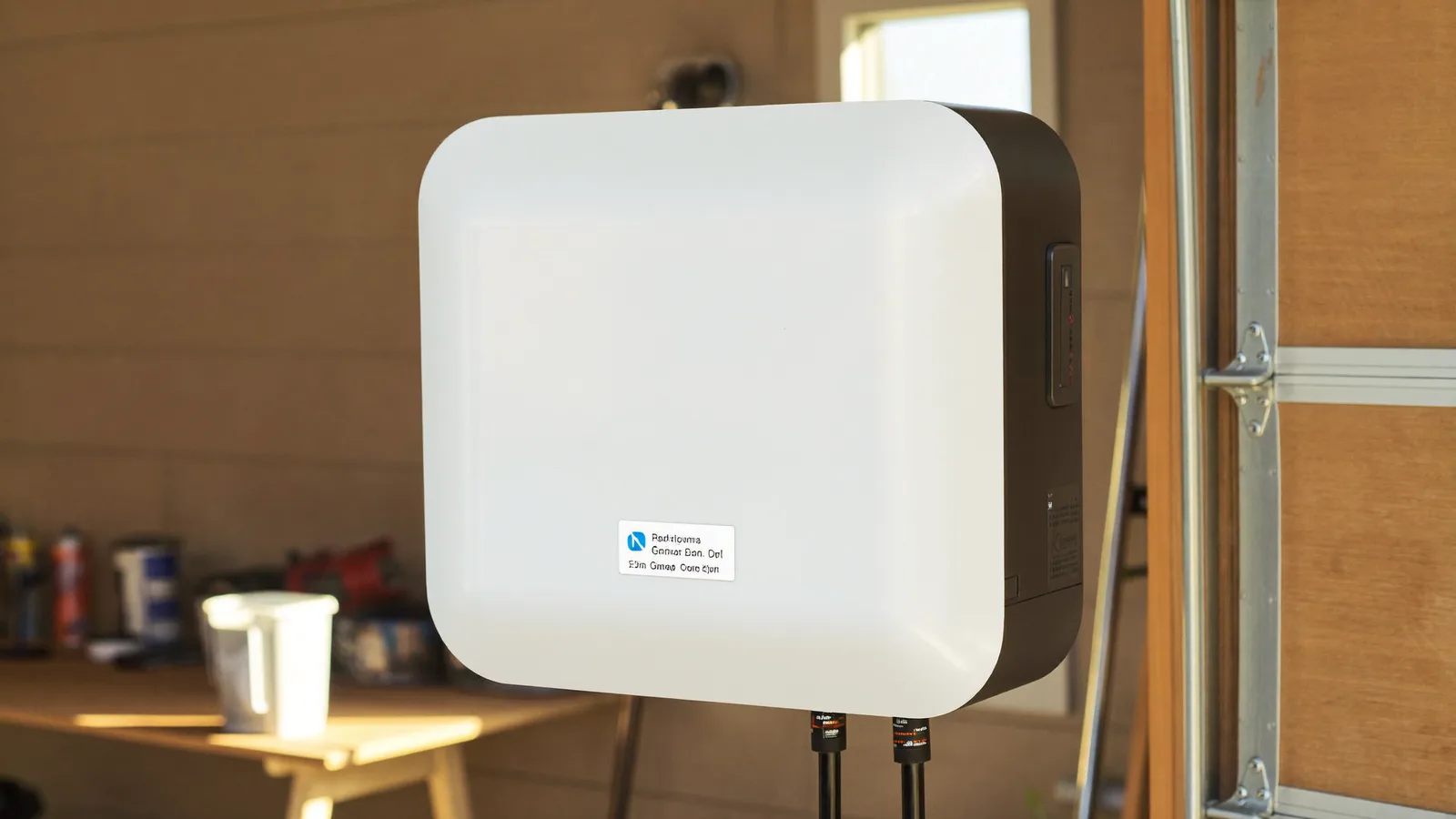
String inverters are the most common inverter type for Australian residential solar. A single unit (typically wall-mounted) connects to all the panels on a roof in a series "string" arrangement. The inverter converts the combined DC output from the string to AC for use in the home or export to the grid.
| Brand | Model (5kW) | Supply price (approx.) | Warranty |
|---|---|---|---|
| Fronius | Primo 5.0-1 | $1,800 to $2,500 | 10 years |
| SMA | Sunny Boy 5.0 | $1,700 to $2,300 | 10 years |
| Sungrow | SG5RS-ADA | $1,000 to $1,500 | 10 years |
| GoodWe | DNS Series 5kW | $900 to $1,300 | 10 years |
String inverters suit roofs where all panels face the same direction, with minimal shading. The system works at its weakest panel's output during any period of partial shading, which is the main technical limitation of string architecture.
Microinverters: Per-Panel Conversion
Microinverters attach to each individual panel and convert DC to AC at the panel, rather than at a central unit. This means each panel operates independently: shade, soiling, or a fault on one panel does not affect the output of the others. Monitoring is at the individual panel level, making it easy to identify underperforming panels.
Enphase is the dominant microinverter brand in Australia, with the IQ8 series being the current flagship. Enphase microinverters cost approximately $150 to $250 per unit, with a 25-year warranty. A 6.6kW system with 15 panels requires 15 microinverters, totalling $2,250 to $3,750 for units alone, which is significantly more than a single string inverter. The 25-year warranty eliminates the mid-life inverter replacement cost that string inverters incur.
Hybrid Inverters: Battery-Ready
Hybrid inverters include battery management circuitry alongside the solar inverter function. They are the correct choice if you plan to add battery storage now or in the next few years. The battery connects directly to the hybrid inverter without requiring a separate battery inverter, simplifying the system and reducing cost compared to adding a battery inverter later.
| Brand | Model | Supply price (approx.) | Compatible battery |
|---|---|---|---|
| Sungrow | SH5.0RS | $2,000 to $2,800 | Sungrow SBR series |
| Fronius | Symo GEN24 5.0 Plus | $2,500 to $3,500 | Fronius Reserva / BYD HVS |
| GoodWe | GW5000-EH | $2,000 to $2,800 | GoodWe Lynx / BYD HVS |
| SolarEdge | Home Hub 5kW | $3,000 to $4,500 | SolarEdge Home Battery |
Which Inverter Type Is Right for You?
The decision between string, microinverter, and hybrid comes down to three questions:
- Is your roof shaded? If significant partial shading is unavoidable, microinverters or a DC optimiser system (SolarEdge) will outperform a standard string inverter.
- Do your panels face multiple directions? East-west or multi-orientation arrays benefit from per-panel or per-string optimisation.
- Do you plan to add a battery? If yes, specify a hybrid inverter now. The cost premium over a string inverter is far less than retrofitting later.
For a simple north-facing unshaded roof with no near-term battery plans, a quality string inverter from Fronius, SMA, or Sungrow is the right choice: proven technology, competitive pricing, and good local support.
The next step
If you're considering solar panels or batteries for your home, Bec and the team can match you with one Why Solar Approved installer near you for a free written quote, and fifteen minutes with a solar expert before you sign.

Written by
Aussie Mum & Energy Expert
Helps families switch to solar with practical, real-world advice. Bec focuses on the financial side: rebates, bill savings and financing options, so everyday Australians can see real value from going solar.
If you have any questions about the information in this guide, email hello@whysolar.com.au or call +61 2 5657 6527.