
Solar Prices
The Iran War Is Already Moving Solar Prices in Australia. Here Is How.
The Iran war started late March. The Houthis re-entered on 28 March, pushing shipping rates up and adding transit time. Solar module prices are already up 15 to 20% since. And Europe is buying panels as fast as it can find them. Here is what that means for Australians shopping for solar right now.
Your solar rebate, checked before you sign
By Bec Ramirez
7 min read
Find out what your home actually needs
Most coverage of rising solar prices in 2026 has focused on China removing its VAT export rebate on 1 April. That is a real and significant story, one we covered in detail here. But since late March, a second pressure has been building that most Australian homeowners have not heard about yet.
The Iran war started in late March 2026. On 28 March, the Houthis re-entered the conflict. Within days, shipping carriers that had cautiously been using Red Sea routes were rerouting south again, around the Cape of Good Hope. And solar module manufacturers started warning about price spikes.
If you are shopping for solar right now, this is the context you need.
What actually happened in late March
The Iran war, which escalated into a broader regional conflict, triggered exactly the kind of supply chain reaction that commodity markets dread. The Strait of Hormuz, through which a significant portion of global oil moves, became a focal point of risk. And the Houthi movement, which had already been disrupting Red Sea shipping since late 2023, re-entered the conflict on 28 March.
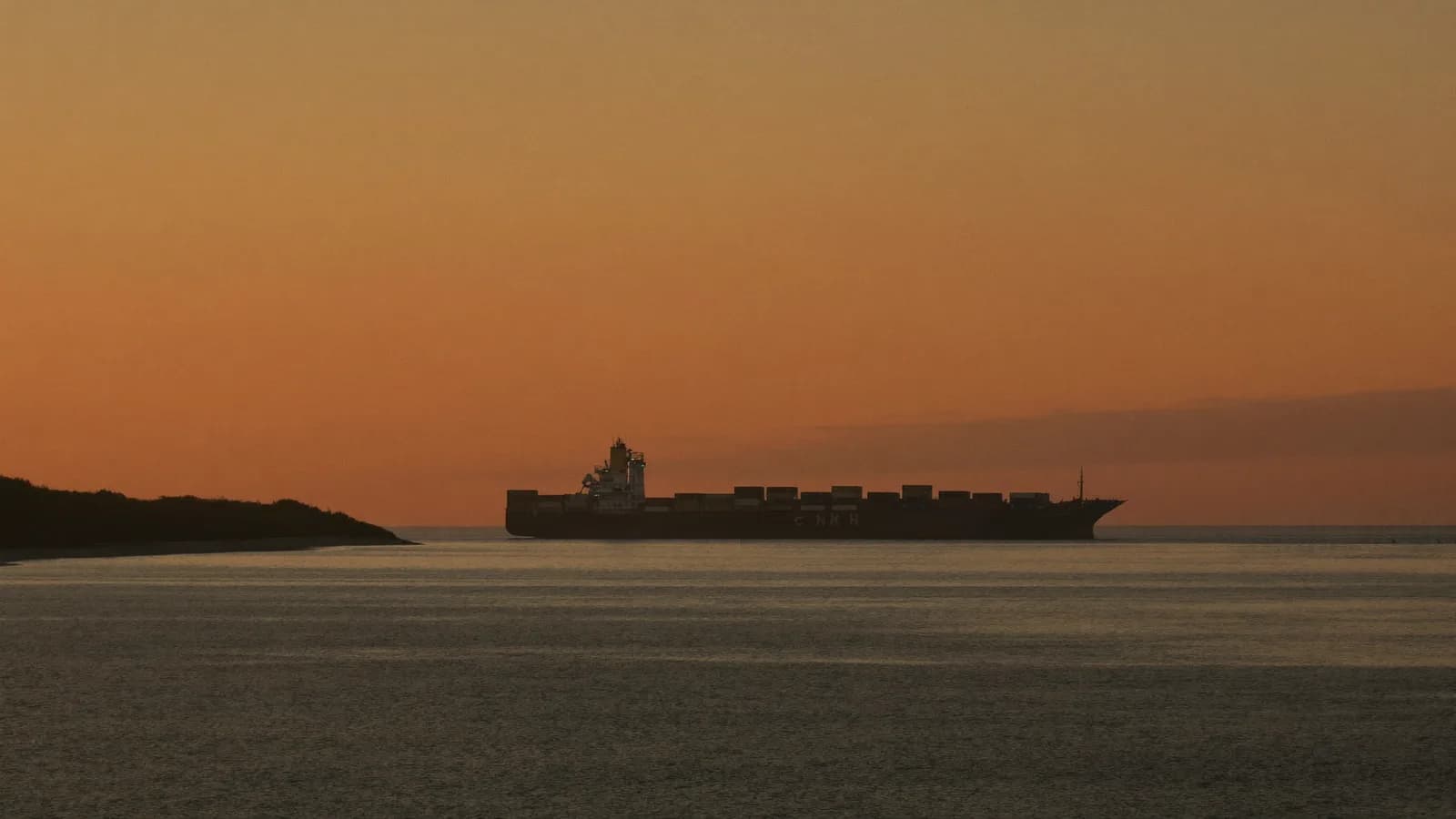
For solar panels, the Red Sea and the Bab-el-Mandeb strait are critical chokepoints. The fastest shipping route from Chinese factories to Australian ports runs through the Suez Canal. Close that route off, and ships reroute around the southern tip of Africa, adding 10 to 21 days to transit times and burning significantly more fuel.
More transit time means more inventory in transit, less shipping capacity available at any given moment, and sharply higher freight rates. Contract shipping rates are already sitting 50 to 70% above pre-2023 levels as a result of this disruption.
Find out what your home actually needs
Free, takes 60 seconds, no obligation.
Solar module prices are already up 15 to 20%
This is not a forecast. It is already happening.
The CEO of SAEL, a major solar module manufacturer, stated in early April that the Iran war has fuelled a 15 to 20% spike in solar module prices, driven by higher freight costs and input material pressures compounding at the same time.
Stack that against what was already in motion. China removed its 9% VAT export rebate on 1 April, pushing wholesale panel costs up 9 to 10% on their own. Silver prices have risen 35% over the past 12 months. Polysilicon, aluminium, and glass are all more expensive than they were a year ago.
Each of these pressures is meaningful in isolation. Together, they are a compounding problem for anyone who was planning to wait for solar prices to fall further.
The compounding picture in April 2026
- China VAT rebate removal: 9 to 10% wholesale panel increase
- Silver price surge (35% over 12 months): adds to panel manufacturing costs
- Red Sea rerouting (50 to 70% above pre-2023 freight rates): adds to landed costs
- Iran war module price spike: 15 to 20% on top of the above
Europe is buying every panel it can find
Here is the part of this story that is less obvious but equally important.
Europe's response to the Iran war has been to accelerate its shift away from fossil fuel dependence, fast. Euronews described a “renewables boom” across Europe, with households and governments rushing to buy solar panels, heat pumps, and EVs as an energy security play. The logic is straightforward: if your energy supply is vulnerable to geopolitical disruption, the fastest hedge is to generate your own.
The problem for Australia is that Europe and Australia are buying from the same pool of Chinese manufacturing capacity. When European buyers flood the market for panels, there is less supply available for everyone else, and prices rise globally. Australian importers are competing for the same containers of panels that European buyers are also chasing.
This dynamic is not going to reverse quickly. Energy security as a political priority tends to be sticky once it takes hold. Europe is not going to suddenly stop buying solar because the situation stabilises.
Your rebate, worked out to your address
Then one Why Solar Approved installer near you, and fifteen minutes with a solar expert before you sign.
What this actually means if you are buying solar in Australia
The case for solar has not changed. On a 10-year view, solar is still one of the strongest financial investments a homeowner can make in Australia. A $10,000 to $15,000 system generating meaningful savings on bills that are themselves rising is a solid position to be in.
What has changed is the direction of pricing.
For the last several years, the patient strategy was to wait. Panels kept getting cheaper. Inverters kept getting cheaper. There was no particular urgency. That calculus has flipped. You now have three compounding cost pressures: the structural VAT change, rising raw material costs, and a geopolitical shipping disruption with no clear resolution timeline. All three point in the same direction.
If you are in WA, there is also the May 2026 SWIS rule changes to factor in on top of the pricing. New export pathway requirements and inverter commissioning standards apply to all new and upgraded systems from 1 May. We covered that in full in our WA-specific breakdown.
None of this is a reason to panic-buy a system you have not properly researched. Choosing the right installer and the right system size still matters more than shaving a few weeks off the timing. But if you have already done the research and you are sitting on the fence, the fence just got more expensive to sit on.
Will any of this reverse?
Honest answer: some of it will, some of it will not.
Geopolitical shipping disruptions are notoriously hard to predict. If the situation in the Middle East stabilises and shipping routes normalise, the freight cost premium could ease. That has happened before.
The VAT rebate removal is permanent. That cost is baked in now. Chinese manufacturers are not going to voluntarily eat a 9% margin hit indefinitely, and the rebate is not coming back.
Silver prices are driven by a combination of solar demand growth and broader precious metals markets. With solar installs at record levels globally and silver being used in increasing quantities per panel, the structural demand case is not going away.
The European demand surge will sustain as long as energy security remains a political priority, which after the events of 2026, is likely to be a while.
So: freight costs might ease eventually. Everything else looks sticky. The industry consensus heading into mid-2026 is that we are past the floor on solar panel prices, and the conversation has shifted from “how much cheaper will panels get” to “how much more expensive will they get before things stabilise.”
Sources
The next step
If you're considering solar panels or batteries for your home, Bec and the team can match you with one Why Solar Approved installer near you for a free written quote, and fifteen minutes with a solar expert before you sign.

Written by
Aussie Mum & Energy Expert
Helps families switch to solar with practical, real-world advice. Bec focuses on the financial side: rebates, bill savings and financing options, so everyday Australians can see real value from going solar.
If you have any questions about the information in this guide, email hello@whysolar.com.au or call +61 2 5657 6527.