
Solar Guides
Adding Solar Panels to an Existing System: What You Need to Know
Your inverter, not your roof, is usually the bottleneck. Here's what actually matters when expanding an existing solar system in Australia.
Your solar rebate, checked before you sign
By Bec Ramirez
7 min read
Find out what your home actually needs
In short
Adding panels to an existing solar system is doable for most homes, but it's not as simple as picking the same brand. Your inverter's capacity is usually the deciding factor. If it's already maxed out, you'll need an inverter upgrade too. New panels don't have to match the old ones exactly, but they do need to be electrically compatible. Get a proper system review before committing, because sometimes a battery or inverter swap is the smarter first step.
Why homeowners want more panels
When your solar was first installed, it probably matched your household's energy use at the time. But life changes. Maybe you've bought an EV, installed a heat pump hot water system, started working from home, or just added a few more people to the household. Suddenly your 5kW system that used to cover everything is falling short during the day, and your grid imports are creeping back up.
Panel expansion usually comes up when power use has increased, daytime solar isn't covering household demand, a battery is being considered (and you want enough generation to charge it), or new loads like EV charging or pool heating have been added. In most of these cases, the existing panels are performing fine. There just aren't enough of them any more.
Do new panels need to match the old ones?
This is the question that comes up every time. The short answer: not necessarily, but compatibility still matters.
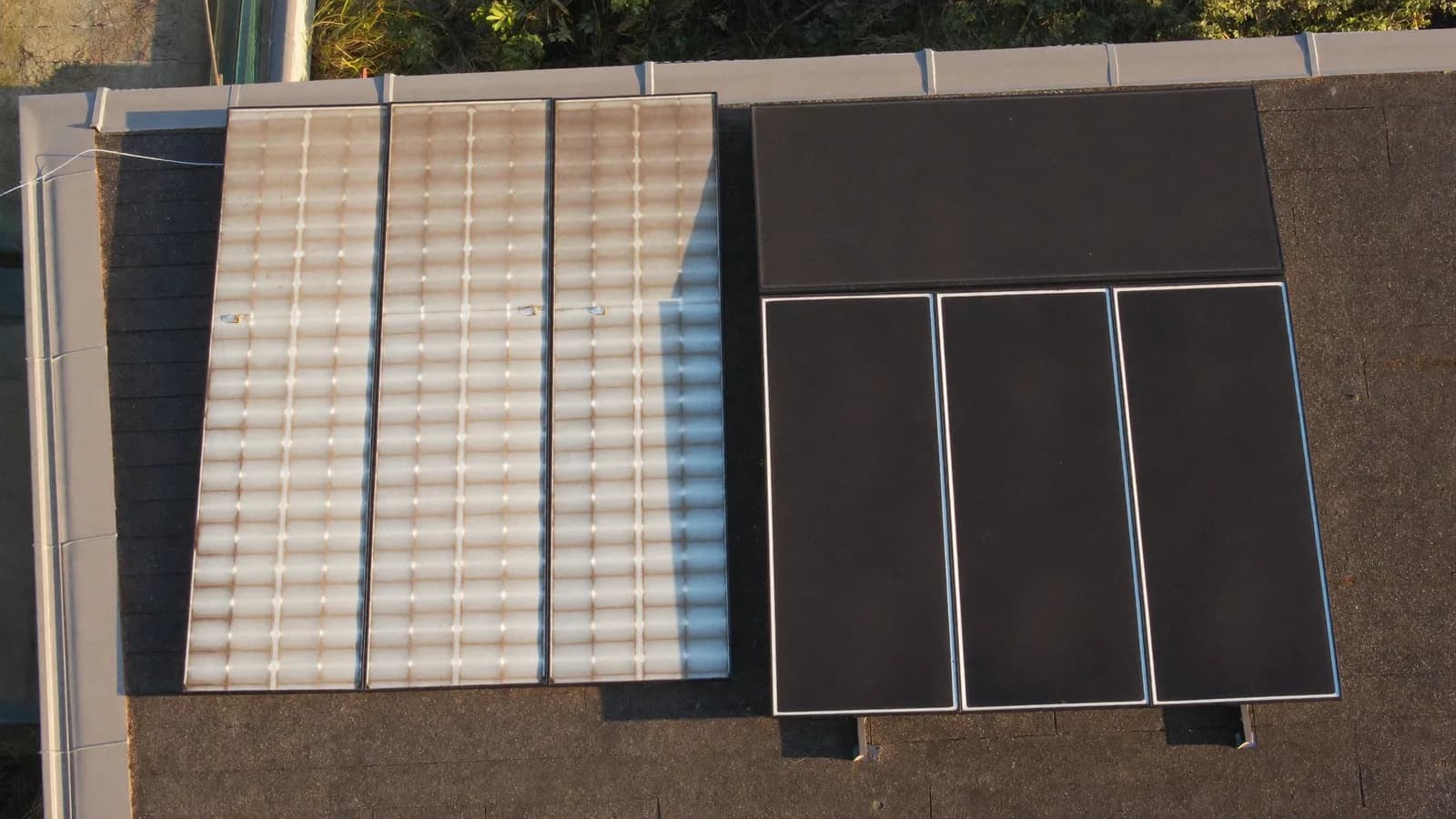
You don't need the same brand. You don't even need the same wattage. What you do need is for the new panels to work well with your existing system electrically. That means paying attention to voltage and current ratings, how panels are grouped into strings, and whether your inverter can handle the new configuration.
If new panels are wired on the same string as old ones, mismatched specs can drag performance down. The entire string operates at the level of its weakest panel. This is why good installers often run new panels on a separate string or a different MPPT (maximum power point tracker) input on the inverter. That way, old and new panels each operate at their own optimal point without holding each other back.
Worth knowing about warranties: Some panel and inverter manufacturers place conditions on their warranties when different brands or models are mixed. In certain cases, adding incompatible panels or changing system design can limit warranty coverage. This doesn't mean mixing is always a problem (plenty of systems do it successfully), but it does mean you should check the fine print before going ahead.
Find out what your home actually needs
Free, takes 60 seconds, no obligation.
Why the inverter is usually the deciding factor
Your inverter converts the DC electricity from panels into AC power your home can use. It has a maximum input capacity, and in many Australian homes, the inverter is already running close to its limit. Adding more panels to an inverter that's full is like adding more taps to a pipe that's already at capacity. The extra water has nowhere to go.
Before expanding a system, an installer needs to check the inverter's maximum input capacity, how many string inputs (or MPPTs) it has available, whether it's already operating near its limit, and any export limits imposed by your local distributor (DNSP).
Spare MPPT inputs
If your inverter has an unused MPPT input, new panels can be added on their own string without affecting existing panel performance. This is the simplest scenario.
Inverter oversizing rules
Most Australian DNSPs allow panel capacity to exceed inverter capacity by up to 133%. So a 5kW inverter can typically support up to 6.6kW of panels. If you're already at this limit, you'll need a bigger inverter.
Export limits
Your grid connection has an export limit (usually 5kW for single-phase homes). Adding more panels won't help if you're already exporting the maximum and using your solar during the day. The excess gets clipped.
This is why panel upgrades are so often paired with inverter upgrades. In many homes, the inverter (not the roof space) is the real bottleneck.
Bigger panels don't automatically mean better results
Modern panels are significantly higher wattage than what was available even five years ago. A panel from 2019 might be 330W. Today's equivalent is 440W or more. It's tempting to think that swapping to bigger panels or adding high-wattage ones will automatically boost performance. But it's not that straightforward.
Higher-wattage panels won't help much if your inverter can't accept the extra input, the excess power is just exported at a low feed-in tariff, or your household usage doesn't align with when the panels are generating. Panel upgrades work best when they're matched to how your home actually uses power. Adding 3kW of extra capacity that just gets exported at 5c/kWh during the middle of the day isn't a great investment.
More panels or a battery: which comes first?
This is a question that comes up constantly, and the answer genuinely depends on your situation.
More panels make sense when...
- You're not generating enough during the day
- You want to improve battery charging later
- Daytime grid imports are high
- You've added new daytime loads (EV, pool, heat pump)
A battery makes sense when...
- You're already exporting plenty of excess solar
- Most of your usage is in the evening
- Feed-in tariffs are low in your area
- You want backup power during outages
For some households, adding panels without storage just increases exports at a poor rate. For others, installing a battery without enough generation means the battery never fully charges. The right answer starts with reviewing your actual usage data and understanding where your power is going.
Your rebate, worked out to your address
Then one Why Solar Approved installer near you, and fifteen minutes with a solar expert before you sign.
When replacing panels makes more sense than adding
Most of the time, existing panels are fine and you're just adding to them. But there are situations where a partial or full panel replacement is the better path.
Replacement tends to make sense when panels are physically damaged or significantly degraded, the original system used very low-wattage panels (under 250W), roof layout changes require relocating panels, or you're doing a full system redesign with a new inverter and battery. For a 10-year-old system with 250W panels and an undersized inverter, sometimes starting fresh with modern equipment is more cost-effective than trying to bolt new panels onto aging infrastructure. A good installer will tell you honestly which approach delivers better value.
Rebates and incentives for panel expansion
Some system expansions, including adding panels or upgrading inverters, may be eligible for Small-scale Technology Certificates (STCs) under the federal renewable energy scheme. The value of STCs fluctuates, but they typically reduce upfront costs by a meaningful amount.
State-level incentives vary. Some states offer additional rebates for upgrades to existing systems, while others focus their incentives on new installations. Eligibility depends on where you live, the size of the expansion, and how your system is configured.
Because the rules differ between states and change regularly, it's worth checking what applies to your specific situation before making any decisions. You can use our rebate eligibility tool to get a clearer picture of what upgrade incentives may apply to your home.
The smarter way to approach a panel expansion
Adding panels is not about filling every spare inch of roof. It's about understanding what your inverter can handle, matching generation to your actual usage patterns, supporting future upgrades like batteries or EV charging, and avoiding wasted export that earns you next to nothing.
The best starting point is your monitoring data. Look at when you're importing from the grid, how much you're exporting, and whether your current panels are maxing out the inverter during peak hours. That data tells you whether more panels, a battery, an inverter upgrade, or some combination of all three is the right move.
A system review from a qualified installer should cover all of this before anyone starts quoting panel prices. If someone offers you a quote without checking your inverter specs and export limits first, find a different installer.
Frequently asked questions
Can I add more solar panels to my existing system?
Yes, in most cases. The key factors are your inverter's maximum input capacity, available string inputs, grid export limits, and whether the new panels are electrically compatible with your setup. A qualified installer can assess your system and advise on the best approach.
Do new solar panels need to match the old ones?
They don't need to be the same brand, but they should be electrically compatible. Matching voltage and current ratings matters most. Running new panels on a separate string or MPPT input avoids performance issues from mismatched specs.
How much does it cost to add panels to an existing system?
Typically $1,000 to $4,000 depending on the number of panels and whether your inverter needs upgrading. If your inverter has spare capacity, adding panels is relatively affordable. If the inverter also needs replacing, costs increase significantly.
Will adding panels void my warranty?
It can, depending on the manufacturer. Some inverter and panel warranties include conditions about system modifications and mixing brands. Always check warranty terms before expanding, and have your installer confirm the upgrade complies with manufacturer requirements.
Should I add more panels or install a battery?
If you're not generating enough during the day, more panels make sense. If you're already exporting plenty and want to use that power at night, a battery is the better choice. Some homes benefit from both together.
What's the maximum system size I can have?
Your system size is limited by inverter capacity and local grid export limits (usually 5kW or 10kW for single-phase). Most DNSPs allow panel oversizing up to 133% of inverter capacity, so a 5kW inverter can typically support around 6.6kW of panels.
The next step
If you're considering solar panels or batteries for your home, Bec and the team can match you with one Why Solar Approved installer near you for a free written quote, and fifteen minutes with a solar expert before you sign.

Written by
Aussie Mum & Energy Expert
Helps families switch to solar with practical, real-world advice. Bec focuses on the financial side: rebates, bill savings and financing options, so everyday Australians can see real value from going solar.
If you have any questions about the information in this guide, email hello@whysolar.com.au or call +61 2 5657 6527.