
Solar Pricing
13kW Solar System Price Australia 2026: What You'll Pay and Who It Suits
The 13kW system is the most popular step up from the standard 6.6kW, suited to large homes and EV owners. Here's the full cost picture.
Your solar rebate, checked before you sign
By Bec Ramirez
7 min read
Find out what your home actually needs
Why 13kW?
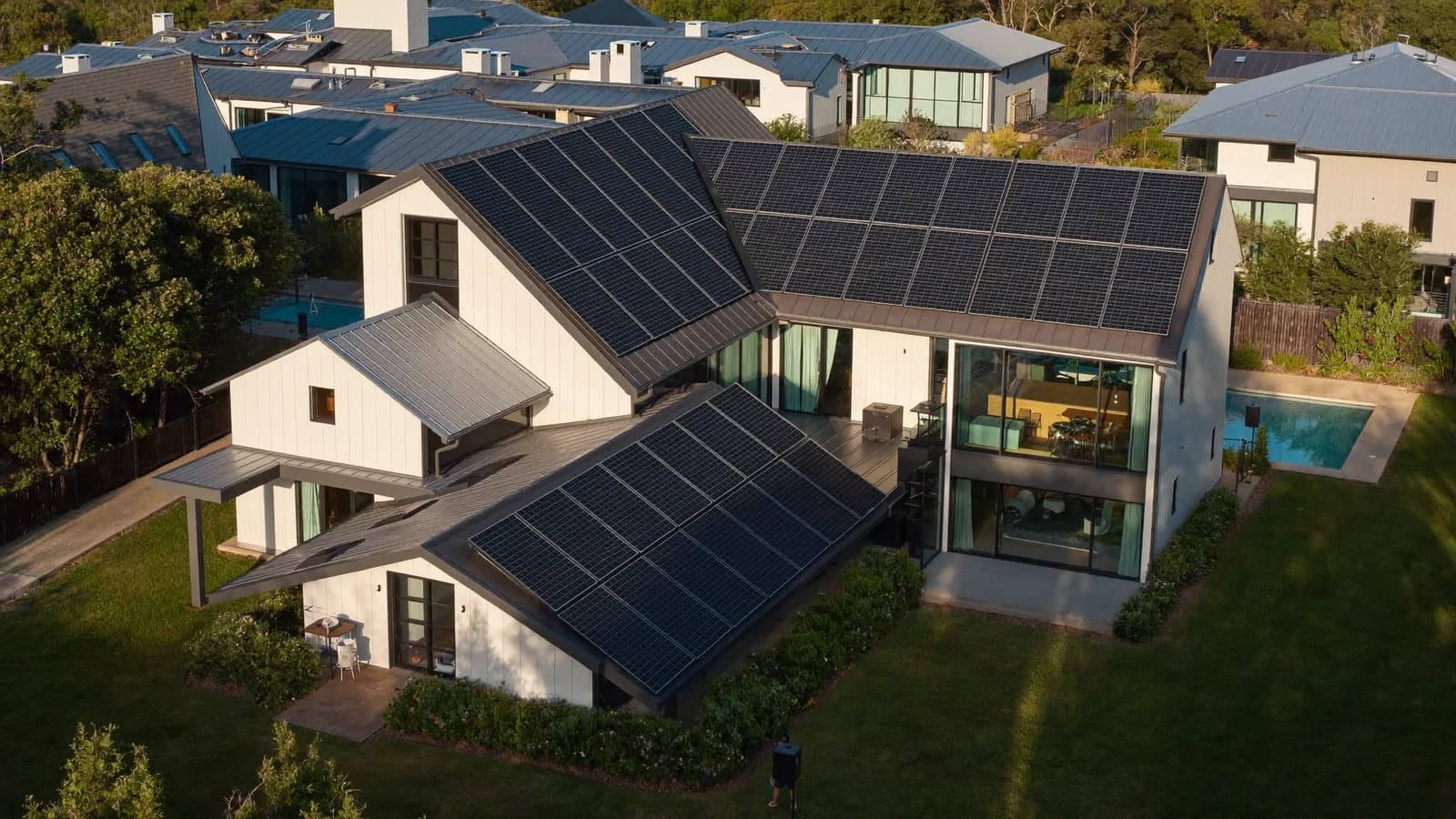
Most Australian homes install a 6.6kW system because it is the largest configuration that makes sense on a standard 5kW single-phase inverter. But for large households, homes with electric vehicles, or properties with higher-than-average electricity consumption, 6.6kW leaves money on the table. A 13kW (often configured as 13.2kW) system doubles the generation capacity and is increasingly the choice of homeowners who want to fully electrify their energy use.
The term "13.2kW" reflects a common configuration: two 6.6kW arrays, each paired with a 5kW inverter. This approach avoids the need to upgrade from single-phase to three-phase power, which can cost $3,000 to $8,000 in a retrofit scenario. Two independent 5kW inverters on a single-phase supply is a practical path to a large system without that infrastructure cost.
State-by-State Pricing
| State | After STC rebate | STC rebate (approx.) | Daily output (avg) |
|---|---|---|---|
| Queensland | $9,000 to $13,500 | $3,382 | 50 to 58 kWh |
| South Australia | $9,500 to $14,000 | $3,382 | 48 to 56 kWh |
| Western Australia | $9,500 to $14,500 | $3,382 | 50 to 58 kWh |
| New South Wales | $10,000 to $15,000 | $3,382 | 46 to 54 kWh |
| Victoria | $10,500 to $15,500 | $2,926 | 44 to 52 kWh |
| ACT | $10,500 to $15,500 | $3,382 | 46 to 54 kWh |
| Northern Territory | $10,000 to $16,000 | $3,762 | 54 to 62 kWh |
| Tasmania | $11,000 to $16,000 | $2,926 | 38 to 46 kWh |
Configuration Options: Two Inverters vs Three-Phase
There are two main ways to configure a 13kW system on a residential property:
Dual single-phase inverters
- Two 5kW inverters, each with 6.6kW of panels
- Works on existing single-phase supply
- No three-phase upgrade required
- Two monitoring systems to manage
- Each inverter needs its own switchboard circuit
- Common with Fronius, Sungrow, GoodWe
Single 10kW three-phase inverter
- One inverter, simpler monitoring
- Requires three-phase power at the property
- Better for battery integration (hybrid models available)
- Single warranty point of contact
- Three-phase upgrade adds $3,000 to $8,000 if not already installed
- Common with Fronius Symo, Sungrow SG10RT
Who a 13kW System Is Right For
A 13kW system is overkill for the average 3-person household using 15 to 20 kWh per day. It makes sense when one or more of these applies:
- You have an electric vehicle that needs 10 to 15 kWh of charging per day
- Your household uses 30 to 50 kWh per day year-round
- You have a pool with an electric pump running 6 to 8 hours daily
- You run a home business with significant daytime electrical load
- You are planning to fully electrify (induction cooking, heat pump hot water, reverse-cycle heating) and want capacity to match
- You have large north and west roof areas that would otherwise go unused
If you are unsure whether 13kW is right, look at your last 12 months of electricity bills. If your annual consumption is below 6,000 kWh, a 6.6kW system is almost certainly sufficient. If it is above 10,000 kWh, 13kW starts to make sense.
The next step
If you're considering solar panels or batteries for your home, Bec and the team can match you with one Why Solar Approved installer near you for a free written quote, and fifteen minutes with a solar expert before you sign.

Written by
Aussie Mum & Energy Expert
Helps families switch to solar with practical, real-world advice. Bec focuses on the financial side: rebates, bill savings and financing options, so everyday Australians can see real value from going solar.
If you have any questions about the information in this guide, email hello@whysolar.com.au or call +61 2 5657 6527.